User Panel

Training / Courses
Search

Katarzyna
Operations Director
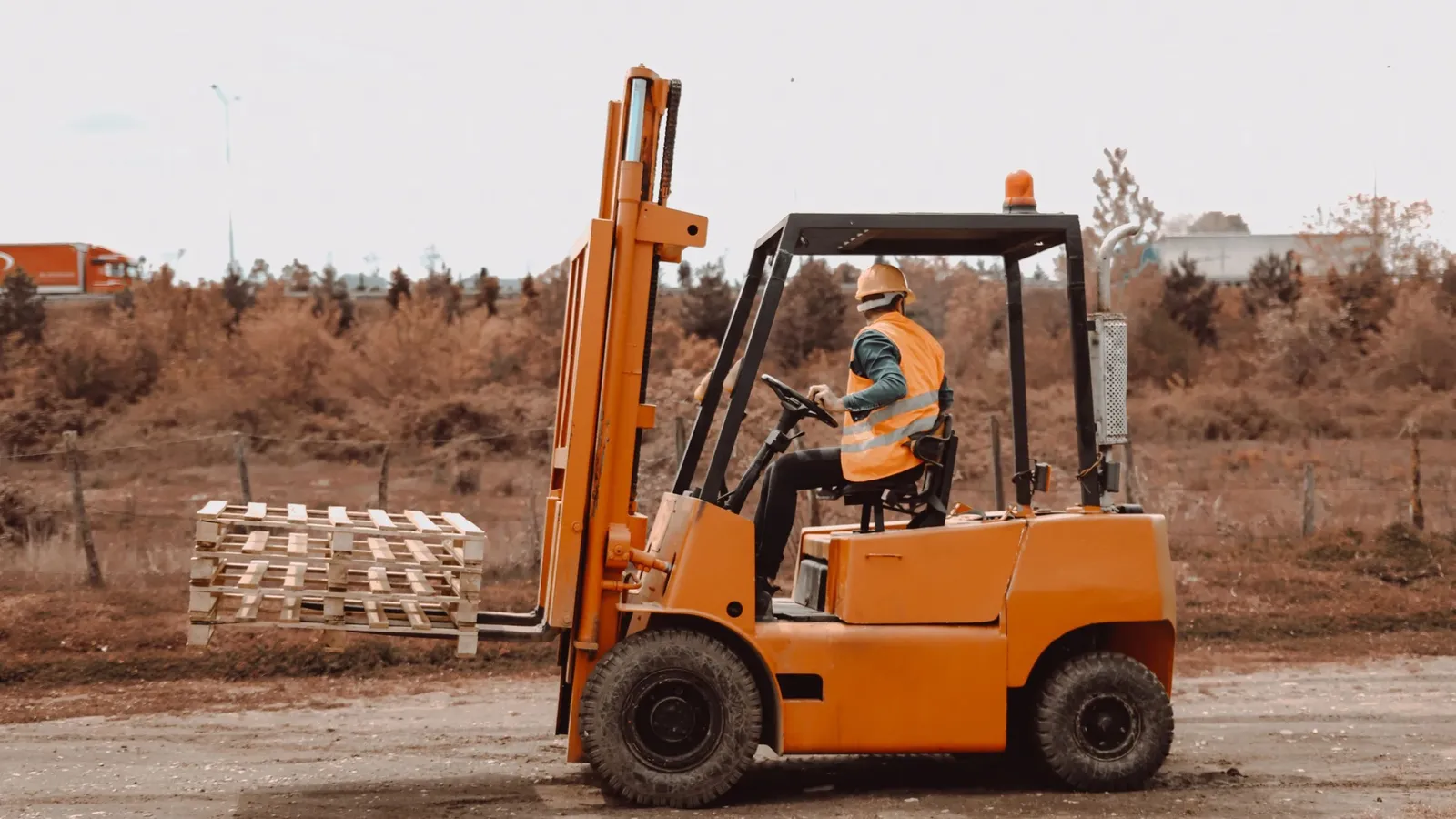
Operating a forklift requires knowledge of applicable regulations, appropriate qualifications, and strict compliance with safety procedures. Even experienced operators must remember that improper load handling, excessive speed, or failure to check the technical condition of the equipment can lead to serious accidents. In Poland, the operation of industrial lift trucks is governed by specific regulations that define the responsibilities of both operators and employers.
The primary legislation governing workplace safety in Poland is the Labour Code. Under Article 207, employers are responsible for occupational health and safety in the workplace. They must organise work safely, provide appropriate working conditions, and respond to identified hazards.
Regulations concerning material handling equipment and technical inspection are also particularly important when operating forklifts.
The most important regulations include:
These regulations apply to large logistics companies as well as smaller manufacturing facilities, wholesalers, and warehouses. The obligation to operate equipment safely does not depend on the size of the company.
Operators of industrial lift trucks subject to technical inspection must hold an appropriate qualification certificate. In Poland, these qualifications are issued by the Office of Technical Inspection (Urząd Dozoru Technicznego, UDT) or another competent technical inspection authority after the candidate successfully passes an examination.
Completing a training course does not automatically grant operating qualifications. Training prepares candidates for the examination, while the official certificate confirming their qualifications is issued only after they pass the required theoretical and practical assessments.
There are two main categories of qualifications for industrial lift trucks:
Qualification certificates are issued for a specified period. The first category is valid for 10 years, while the second is valid for 5 years.
Certificates can be renewed after meeting the statutory requirements, including submitting an appropriate application and a declaration confirming that the holder has performed work within the scope of their qualifications for at least three years during the final five years of the certificate’s validity.
The renewal application must be submitted no later than three months before the certificate expires.
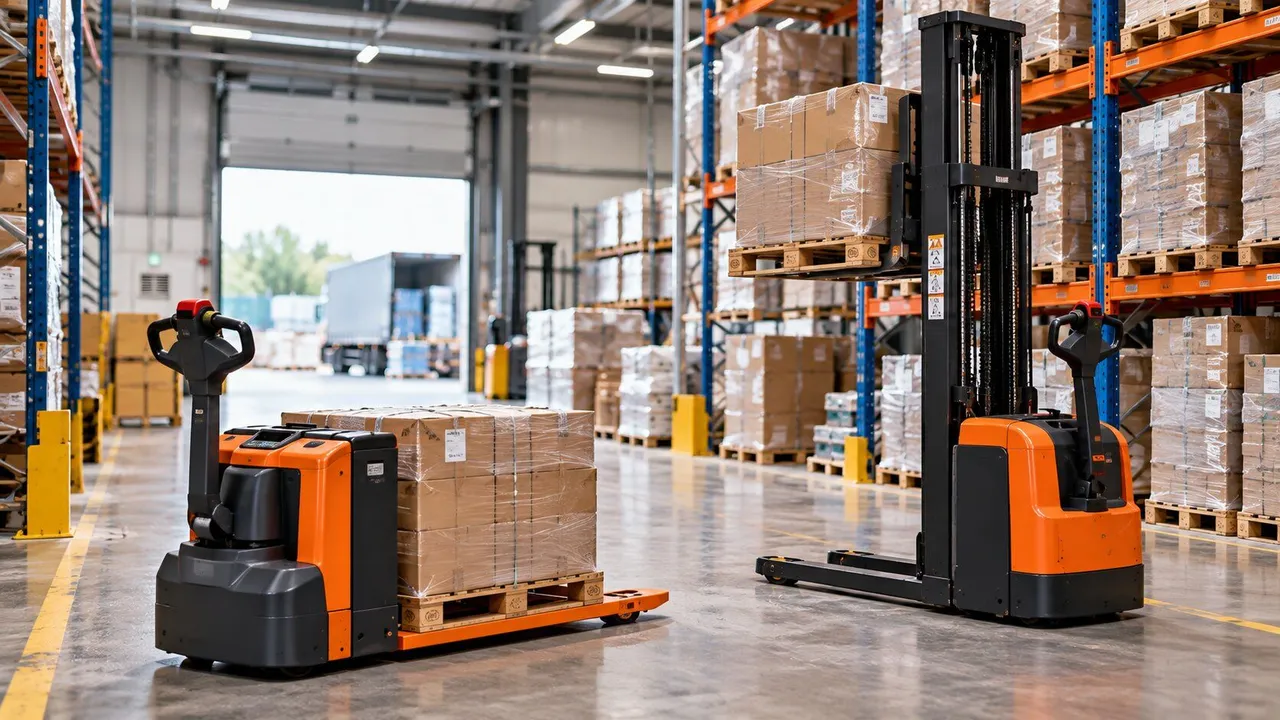
It is also important to distinguish industrial lift trucks subject to technical inspection from other powered industrial trucks, such as certain transport trucks without mechanical load-lifting mechanisms.
Not all such vehicles require UDT certification. However, their operation is still subject to occupational health and safety regulations and requires appropriate training.
Forklift operators are responsible for carrying out their assigned duties safely and following the equipment’s operating instructions. They must understand the forklift’s technical specifications, operating limitations, and the traffic rules applicable within the workplace.
The main responsibilities of a forklift operator include:
Operators should not perform tasks for which they lack the required qualifications or which are not permitted under the equipment’s operating instructions.
For example, holding a forklift operator certificate does not automatically authorise someone to carry out repairs or maintenance activities that require separate qualifications. Such tasks must be assigned to individuals with the appropriate authorisations and competencies.
Under Article 210 of the Polish Labour Code, employees have the right to stop working if working conditions do not comply with occupational health and safety regulations and pose an immediate threat to their health or life. They must immediately inform their supervisor of the situation.
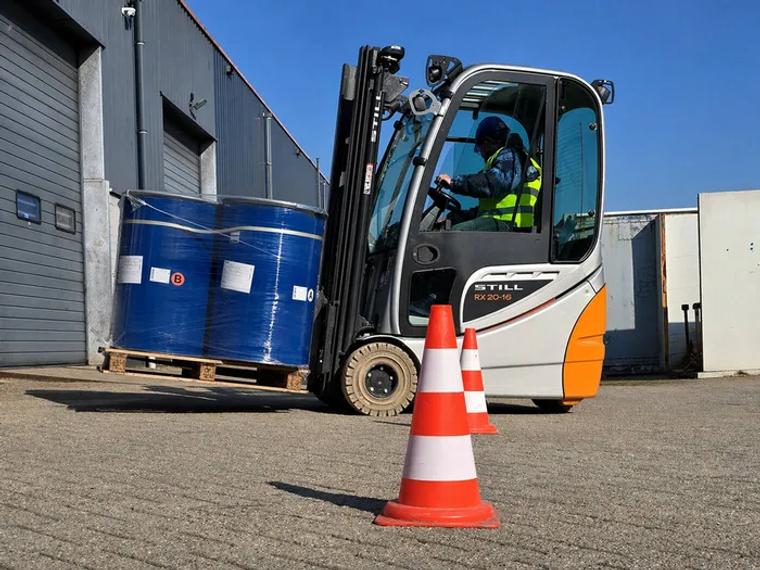
Daily equipment inspections are among the most important measures for preventing workplace accidents. Even a minor defect can affect forklift stability, braking performance, or the safety of transported loads.
Before starting work, operators should inspect the components specified in the manufacturer’s instructions and the company’s internal procedures.
In practice, these checks include:
For forklifts subject to technical inspection, operators and employers must also comply with requirements concerning operating documentation, maintenance inspections, and the official decision authorising the equipment’s operation.
If an inspection reveals a defect that could compromise safety, the forklift must not be used until the problem has been resolved.
The operator must report the issue to the person responsible for the equipment’s operation.
Forklifts frequently operate in areas shared with pedestrians, order pickers, and operators of other industrial vehicles. For this reason, effective internal traffic management directly affects the safety of the entire workforce.
Employers should designate appropriate transport routes, maintain them in good condition, and establish clear rules for moving around the facility.
Intersections between pedestrian and vehicle routes, gates, passageways, and areas with restricted visibility require particular attention and appropriate safety measures.
When operating a forklift, drivers should follow several important rules:
Particular care is required when transporting loads that obstruct the operator’s view.
The operator should choose a method of movement consistent with the equipment’s instructions and working conditions, such as travelling in the appropriate direction or using assistance from a designated person.
There is no single universal speed limit suitable for every warehouse.
Safe speed limits should be determined based on workplace conditions, the types of equipment in use, and the occupational risk assessment.
One of the most serious hazards associated with forklift operation is the loss of vehicle stability.
This can result from overloading, improper load distribution, sudden turns, or driving over uneven surfaces.
Every forklift has a specified rated lifting capacity and a load capacity chart indicating the maximum permitted load under different operating conditions.
Operators must consider factors such as lifting height and the position of the load’s centre of gravity.
For example, a forklift with a rated lifting capacity of 2,500 kg cannot necessarily lift a load of that weight safely under all conditions.
If the load centre is positioned farther from the fork face or the load must be lifted to a considerable height, the permitted lifting capacity may be lower.
Before lifting a pallet, operators should check its condition, the stability of the goods, and how the load is distributed.
A damaged pallet or an unsecured load can cause goods to fall or overturn during transport.
Exceeding the manufacturer’s operating limits and standing beneath a raised load are prohibited.
Forklifts must also never be used to lift people in ways that violate applicable regulations or the equipment’s intended purpose.
The types of hazards depend on the working environment.
Conditions in a logistics centre differ from those in a metalworking facility or during truck loading operations in an outdoor yard.
The most common hazards include:
Working around loading docks requires particular attention.
Before driving into a trailer, operators must ensure that the vehicle has been properly secured against movement and that the loading bridge has sufficient load capacity and is correctly positioned.
Operators should also consider floor conditions, lighting, and potential obstacles.
Wet surfaces, restricted visibility, and insufficient manoeuvring space all increase the risk of accidents.
Employers, or other parties responsible for organising work, must provide appropriate working conditions within the scope of their obligations under applicable regulations.
Before allowing an operator to begin work, the employer must verify the required qualifications, provide appropriate instructions, and ensure that the employee understands the hazards associated with the position.
Employers should also ensure:
Depending on the working conditions, protective equipment may include safety footwear, high-visibility clothing, or other items identified in the occupational risk assessment.
Monitoring compliance with safety procedures is equally important.
Holding a UDT qualification certificate does not release the employer from the obligation to familiarise the operator with the specific forklift, its operating instructions, and the organisation of work at the facility.
Anyone planning to work as an industrial lift truck operator should begin by choosing a training course that matches the types of equipment they intend to operate.
A good forklift training course covers equipment construction, operating principles, hazard identification, and practical driving skills.
Participants learn how to lift and transport loads correctly, manoeuvre safely, and respond to equipment malfunctions or other irregularities.
After completing theoretical and practical preparation, candidates take an examination conducted by the relevant technical inspection authority.
Those who pass receive a qualification certificate covering the appropriate category of equipment.
For companies employing multiple forklift operators, regularly developing employees’ skills and knowledge is particularly important.
Group training allows employers to prepare their teams for UDT examinations, reinforce essential safety knowledge, and reduce the risk of errors caused by improper equipment operation.
Knowledge of regulations and correct operating procedures remains important throughout an operator’s entire career.
Even many years of experience cannot replace regular reviews of safe operating practices.
Would you like to obtain forklift operator qualifications in Poland? Or do you run a business and need to prepare a group of employees for the UDT examination?
Bonapi in Gliwice offers training courses designed to prepare participants for obtaining industrial lift truck operator qualifications.
These courses are suitable for individuals planning to start working in warehousing or logistics, as well as employers who want to provide professional training for their staff.
Explore the UDT forklift training courses available at Bonapi Gliwice and contact us to discuss training options for individual candidates or entire groups of employees.
The right qualifications and a thorough understanding of safety procedures help operators perform their duties responsibly while improving their employment opportunities in the warehousing, manufacturing, and logistics industries.
Follow Bonapi on social media to stay informed about upcoming training courses, professional qualifications, and practical workplace safety advice.