User Panel
Training / Courses
Search

Szymon
Ekspert ds. IT / Automatyzacja Procesów
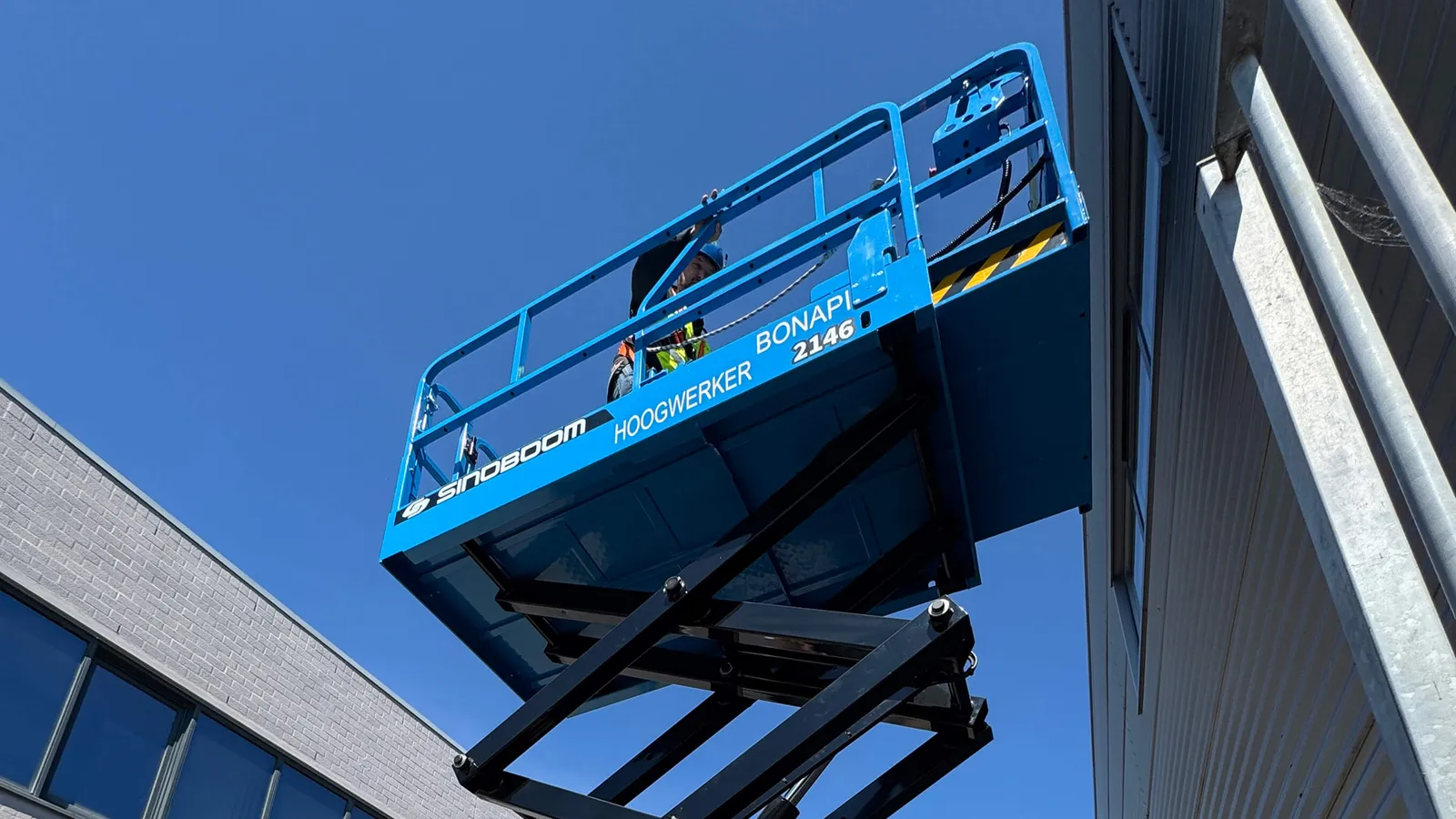
Scissor lifts, telescopic lifts and articulating lifts are not only used on construction sites. They are also used by staff in warehouses, industrial plants, and installation and maintenance companies. In many such places, operators are required to have appropriate training, and one of the most widely recognised international standards is IPAF.
What exactly is an IPAF certificate? Which machines does it cover? How long does the training take, and is it possible to complete it in Poland if you’re planning to work abroad later on?
We explain what the IPAF course in Gliwice involves, how categories 3A and 3B differ, and what you need to know before booking the exam.
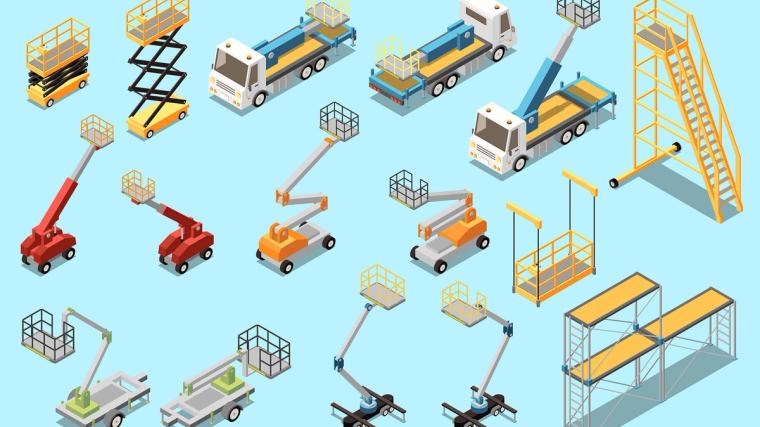
IPAF (International Powered Access Federation) is an international organisation that promotes the safe and effective use of mobile elevating work platforms, also known as MEWPs (Mobile Elevating Work Platforms).
The organisation develops training standards for the operation of equipment used when working at height.
IPAF training courses help operators acquire the knowledge and skills required to carry out their duties safely on aerial work platforms.
Upon successful completion of the relevant training course and examination, the operator receives confirmation of their training in specific categories. This takes the form of a PAL (Powered Access Licence) card, which is also available in digital form via the ePAL app.
The IPAF certificate is recognised in the international labour market, including in the construction, industrial, logistics and technical sectors. However, this does not mean that it automatically replaces all local qualifications required by a country’s regulations.
Before signing up for a course, it is worth noting that IPAF designations refer to specific types of equipment.
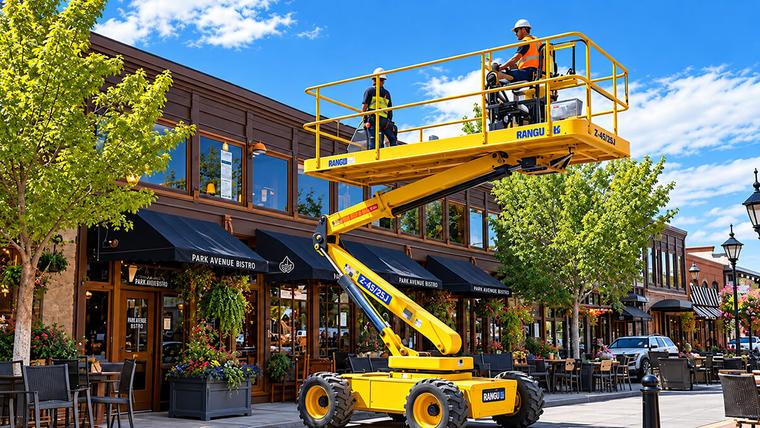
Category 3A covers mobile vertical work platforms, including scissor lifts.
Their platform moves primarily in a vertical direction. These machines are most commonly used where access to the work area is directly above the machine.
They are used in the installation of electrical systems, lighting maintenance, warehouse work and finishing work.
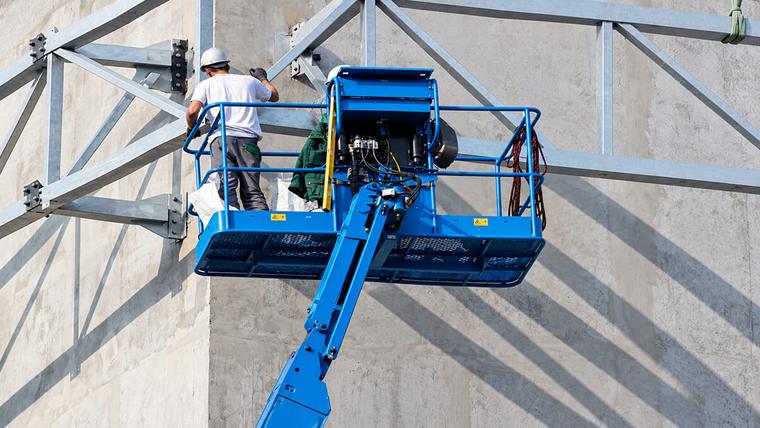
Category 3B covers self-propelled boom lifts, including telescopic and articulated models.
Their design allows the work platform to be moved vertically and to achieve lateral reach. This enables the operator to access hard-to-reach areas, such as over obstacles or around complex industrial structures.
People who use various types of aerial work platforms whilst carrying out their duties can opt for the combined IPAF 3A + 3B training course.
This option is particularly useful for fitters, electricians, maintenance staff and companies carrying out a wide range of jobs.
At Bonapi, IPAF training is available, amongst other formats, in a hybrid format. This combines theoretical learning online with practical sessions and an exam at the training centre.
Stage 1. Theoretical training
Participants will familiarise themselves with the rules for operating mobile elevating work platforms, the risks associated with working at height, and the operator’s responsibilities.
In the hybrid format, the theory part can be completed online, at the participant’s own pace.
Stage 2. Practical training
During the course in Gliwice, participants will learn how to operate forklift trucks corresponding to the selected category.
The exercises include, amongst other things:
Stage 3. IPAF exam
The training course concludes with an assessment of theoretical knowledge and practical skills.
Participants must demonstrate that they are not only able to operate the equipment, but also understand the principles of safe working practices.
Upon successfully passing the required parts of the examination, participants may obtain the relevant IPAF certificate.
The duration of the training depends on the chosen category, learning format and programme.
In the case of Bonapi’s hybrid courses, participants complete the theoretical part independently online. They then travel to Gliwice for the practical training and the exam.
The practical part and the exam take place during a single day of face-to-face teaching.
This option may be convenient for working professionals who do not wish to set aside an extra day for classroom-based theory lessons.
It is worth bearing in mind, however, that the IPAF operator training course cannot be completed entirely online. Practical skills must be assessed whilst operating the actual equipment.
The standard validity period of a PAL card is 5 years, in accordance with IPAF regulations, subject to any requirements applicable in the relevant country.
The document contains information regarding the operator’s training, including equipment categories and the expiry date.
The validity of a PAL card can be checked using the official IPAF verification system.
Before the expiry date, it is advisable to plan for the appropriate renewal of qualifications to ensure that your competence remains valid.
One of the reasons why employees choose IPAF training is the international recognition of this standard.
IPAF qualifications are recognised by employers and contractors in countries including the Netherlands, Belgium, Germany and the United Kingdom.
For anyone planning to work abroad, this can be an important part of preparing to operate mobile elevating work platforms.
However, a distinction must be made between the recognition of the certificate and legal requirements. IPAF itself does not guarantee the ability to operate every type of aerial work platform in any country. An employer may require additional instruction, training on a specific machine, or qualifications specified by local regulations.
This is a particularly important issue for those planning to work as operators in Poland.
IPAF is an international training and certification scheme for mobile elevating work platform operators.
The UDT (Technical Inspection Authority) is the Polish body responsible, amongst other things, for supervising specific technical equipment and verifying the qualifications of those who operate it.
In Poland, the operation of mobile elevating work platforms requires appropriate qualifications in accordance with the regulations in force.
An IPAF certificate does not automatically replace a UDT qualification certificate.
Therefore, the choice of course should depend primarily on the country in which the participant intends to work, and on the type of equipment to be operated.
If you are planning to operate mobile elevating work platforms in Poland, check the UDT requirements. If you are preparing to work abroad, also check the requirements of your foreign employer.
The IPAF training is aimed at both those with experience in operating aerial work platforms and those who are just starting out.
Anyone aged 18 or over who holds a valid identity document and whose state of health allows them to take part safely in the practical sessions may enrol on IPAF courses at Bonapi.
For the practical training, you must bring suitable workwear, safety footwear and the required personal protective equipment.
Previous experience in operating aerial work platforms is not a prerequisite for starting the standard training course for beginners.
You don’t need to travel abroad to complete IPAF training.
Bonapi runs IPAF courses in Gliwice, covering categories 3A, 3B and the combined 3A + 3B course.
The programme includes training for individuals and company staff. Hybrid courses are also available, in which the theoretical part is delivered online, whilst the practical training and exam take place in person.