User Panel

Advice
Search

Piotr
Founder & Owner
Going to work in the Netherlands as a couple can be a good way to feel more secure, save money together and make for an easier start abroad. For many couples, this is the first step towards more stable employment, better pay and finding out whether life in the Netherlands really suits them. However, before you sign a contract and pack your bags, it’s worth knowing what working as a couple looks like in practice: where such jobs are most commonly found, what the pros and cons of moving together are, and what else you need to prepare whilst still in Poland.
Working in the Netherlands as a couple is particularly popular amongst those who want to move abroad together and avoid being apart. This applies to married couples, engaged couples and partners, as well as two people who are close and wish to work in the same place or live together. Employment agencies often have ‘couples’ vacancies’, but it is important to bear in mind that this does not always mean identical roles, the same shift or a shared timetable.
Such a move can be a good option if you’re both prepared for physical labour, shift work and adapting quickly to the company’s rules. The Dutch labour market offers plenty of opportunities, but it requires punctuality, independence and a willingness to follow procedures. This is particularly important in sectors where safety, pace and teamwork are key.
Before you set off, it’s worth having an honest chat about your expectations. Do you both want to work the same number of hours? Are you both happy with different shifts? Will you be able to cope if one of you finds a better job sooner, whilst the other has to start with simpler work? These are practical questions, not pessimistic ones. It’s better to sort them out beforehand rather than only after you arrive, when stress, tiredness and financial pressure set in.
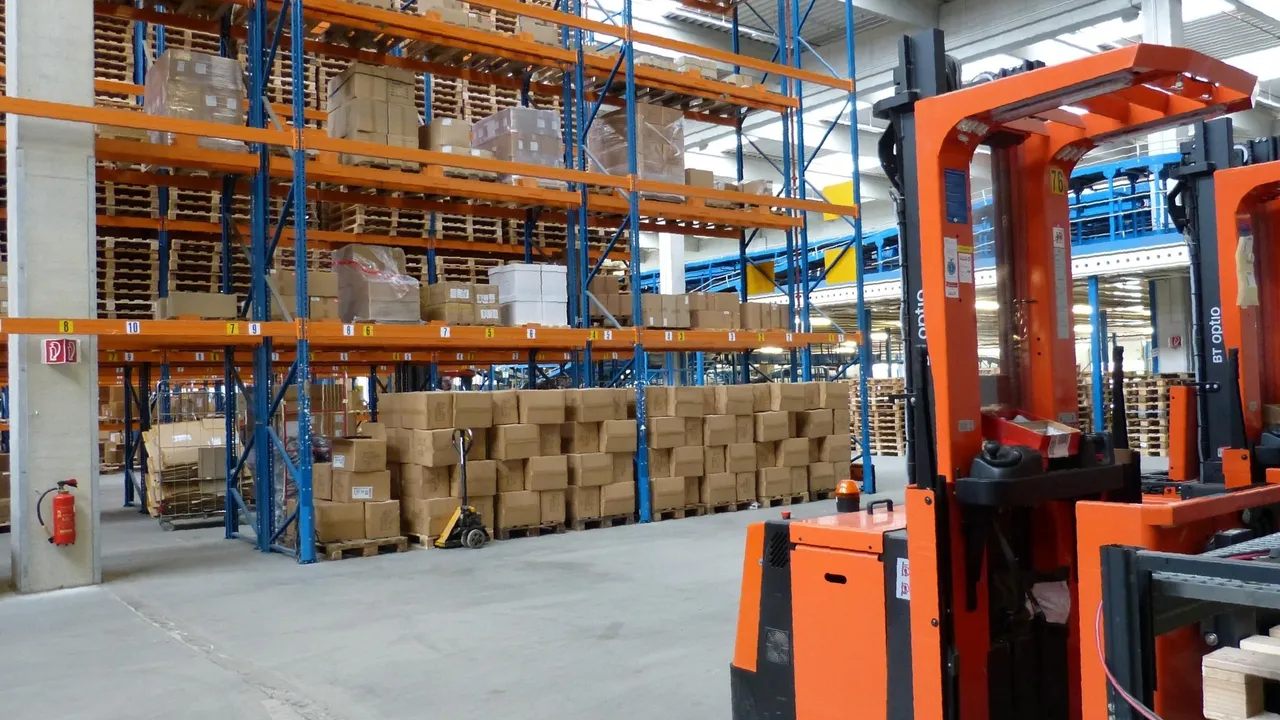
Job vacancies in the Netherlands for couples tend to arise where companies need to recruit a larger number of staff at around the same time. This applies to seasonal, manufacturing, warehouse, logistics and technical roles. In many places, an employer may hire two people at the same time, but the scope of duties depends on experience, language skills, a driving licence, qualifications and availability.
The most common sectors are:
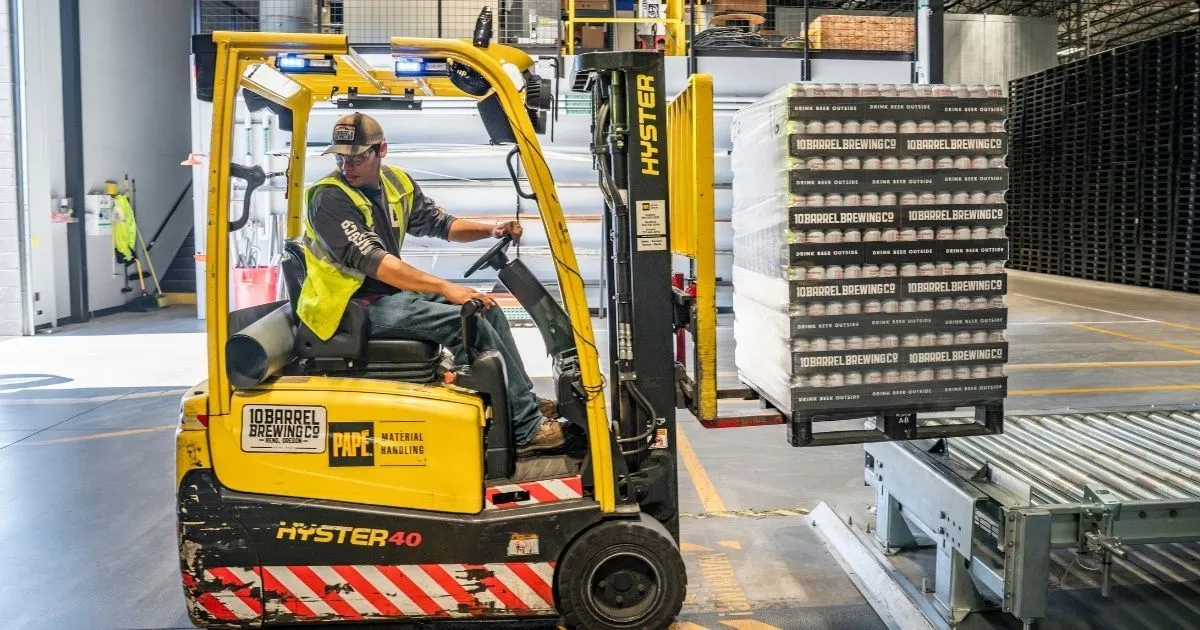
Job vacancies for couples more often involve roles where new staff can be trained up quickly. This does not, however, mean that there is no scope for development. Someone with a VCA certificate, forklift licence, technical experience or a working knowledge of English usually has a wider choice and can progress more quickly to better-paid roles.
This is one of the most important questions to ask before setting off. In practice, working as a couple doesn’t always mean working side by side. Sometimes a couple live together but work in different departments of the same company. At other times, both end up at the same workplace but on different shifts. It also happens that one person starts work straight away, whilst the other has to wait a few days for their rota to be confirmed or undergoes additional training.
Before signing the contract, ask exactly what ‘offer for couples’ means. It’s a good idea to clarify:
These details are very important for everyday life. If you work different shifts, one of you might be coming home from work just as the other is setting off. If you live together but commute to different places, there are additional costs and transport arrangements to consider. Simply knowing that a job is ‘for couples’ isn’t enough. You need to ask about the specific terms and conditions.
For many people, shared accommodation is the most important factor when deciding to go abroad. Employment agencies often offer rooms for couples, but the standard and rules may vary. Sometimes it is a separate room in a staff house, sometimes a studio flat, and sometimes a room in a larger property with a kitchen and bathroom shared with others.
Before you leave, ask for clear information: how much the accommodation costs, whether the fees are deducted from your wages, how many people live in the building, what the registration rules are, and whether the room is for your exclusive use. In arrangements for couples, privacy is very important, so it’s worth avoiding any ambiguity.
Also, bear in mind the distance from work. Cheap accommodation can prove a nuisance if the daily commute takes a long time or relies on company transport. If you don’t have your own car, check whether the agency organises transport and whether there is a charge for it.
As Polish citizens, you are allowed to work legally in the Netherlands, but moving there without proper preparation can quickly make everyday life difficult. You will need documents, access to a bank account, insurance and a basic understanding of the BSN number and DigiD. The BSN is the Dutch identification number used when dealing with public authorities and employers, whilst DigiD is used to log in to many online public services. Information on registering with the BRP and using DigiD is provided by Dutch government sources and the Work in NL website.
Before you set off, please make sure you have the following:
Don’t leave the paperwork until the last minute. If you’re going through an agency, ask for the contract and terms and conditions in advance. Check that the documents are clear and that they include details of the pay rate, number of hours, deductions, accommodation, transport and insurance.
In the Netherlands, many people start out through a temporary employment agency. This is a common route, but it is important to be aware of the rights and obligations associated with this form of employment. Collective agreements apply in the temporary work sector, including those of the ABU and NBBU. These agreements cover issues such as terms and conditions of employment, informing employees before they travel, deductions from pay, and the agency’s obligations towards migrant workers.
A good agency should clearly explain where you will be working, what the pay rate is, how many hours you can realistically expect to work, and what costs will be deducted. Deductions for accommodation, transport and insurance are particularly important. Every deduction should be clearly itemised on your payslip.
Do not sign any documents you do not understand. If the contract is only in Dutch, ask for a version in a language you understand, or for an explanation of the most important clauses. In the case of temporary work for people coming to the Netherlands, it is particularly important that information about working conditions is provided before departure and in a way that is easy to understand.
Salaries in the Netherlands depend on the sector, experience, age, shift pattern, allowances and the type of contract. Couples often start in simpler production or warehouse roles, where availability and reliability are the most important factors. Over time, they can move into technical, operational or coordination roles, particularly if one of them speaks the language and is able to organise the team’s work.
The amount of the payment is primarily influenced by:
Don’t just look at the gross salary. Two job offers with similar gross salaries may result in completely different take-home pay if they differ in terms of housing costs, working hours and benefits. For a couple, it’s also important that both partners have a stable work schedule. If one person works 40 hours a week and the other only 20, your joint budget may be lower than you’d anticipated.
Yes, it is possible for couples without any knowledge of the language to work in the Netherlands, particularly in manufacturing, horticulture, packaging and simple warehouse work. However, it is fair to say that a lack of language skills limits the choice of job opportunities. More often than not, this means relying on a coordinator, having less autonomy and progressing more slowly.
A basic knowledge of English is enough to better understand instructions, work schedules, health and safety rules and announcements at work. Many companies employ people from Poland, but you cannot assume that someone will always be on hand to translate the instructions. This is particularly important when operating machinery, working in a warehouse, on a building site or in places where health and safety procedures apply.
A good way to prepare is to learn some basic phrases before you leave: working hours, days of the week, names of tools, safety announcements, and questions about breaks, transport and the rota. It’s a small step, but it really does reduce stress at the start.
Not every couple has to do the same job. Sometimes a better arrangement is one where one person starts out in production or packing, whilst the other goes to the warehouse, the technical department or internal transport. It is important to view the assignment not just as a one-off opportunity to earn money, but also as the start of your professional development.
To start with, the following roles are usually the best options:
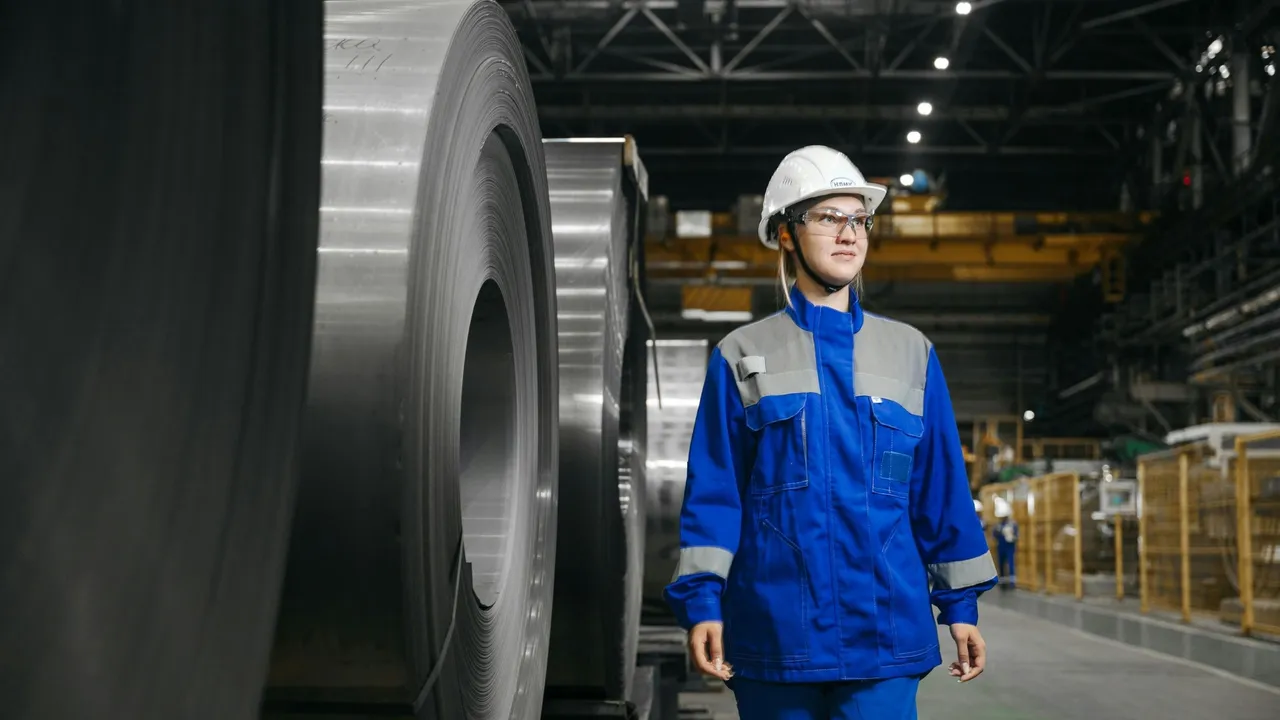
If you have technical experience, it’s worth highlighting this on your CV. The ability to use tools, read simple drawings, carry out assembly work or have experience in the construction industry can open the door to better job opportunities. In the Netherlands, employers often look for people who can get to grips with tasks quickly and understand health and safety rules.
VCA, which stands for Veiligheid, Gezondheid en Milieu Checklist Aannemers, is a system relating to health, safety and the working environment, widely used in the Netherlands and Belgium. VCA certification is not a ‘statutory requirement for every employee’, but in many sectors it is required by the employer, contractor or client. This applies in particular to the construction, industrial, installation, technical logistics and maintenance sectors. The official Business.gov.nl portal describes VCA/SCC as a certificate confirming that work is carried out in a safe and healthy manner, including for companies and the self-employed.
For a couple planning to move abroad, the VCA can be a real advantage. If you both hold the certificate, an agency or employer can more easily match you with companies that require a basic understanding of health and safety regulations. If just one person holds the certificate, this also increases the chances of securing a better position or making a quicker transition to technical work.
The VCA training course helps participants to understand, amongst other things:
This is a particularly important area for Bonapi’s Polish branch. People who wish to move to the Netherlands can prepare whilst still in Poland, without the stress and pressure of their first day at work. This is a good solution for couples, but also for companies that send groups of employees to the Netherlands and wish to ensure a consistent level of preparation.
Moving abroad together provides great emotional support. You have someone to talk to after work, you find it easier to make decisions, and you can plan your budget together. If you manage to find good accommodation and stable work, moving abroad as a couple can be a much more peaceful experience than starting out on your own.
The advantages of working in the Netherlands for couples:
There are also some more challenging aspects. Shift work, tiredness, a lack of privacy in staff accommodation and the pressure to earn a living can put a strain on a relationship. If one person is more resilient to stress whilst the other finds it harder to cope with the new circumstances, tensions may arise. That’s why, before you set off, you should agree on some common rules: how you’ll split the costs, how much you want to save, when you’ll return to Poland, and what you’ll do if the job doesn’t live up to your expectations.
The biggest mistake is to accept a job based on an advert that lacks details. Phrases such as ‘plenty of hours’, ‘good accommodation’ and ‘immediate start’ sound appealing, but they are no substitute for specific details. Ask for the job title, the place of work, the pay rate, the type of contract, and information about allowances, costs and accommodation arrangements.
Be wary of offers where:
A good offer doesn’t have to be perfect, but it should be transparent. If someone refuses to tell you how much you’ll actually earn after deductions, that’s a warning sign.
Even if you’re going to a job that provides accommodation, it’s worth having your own money set aside. Your first pay cheque may arrive after a week, two weeks or at the end of another pay period. On top of that, there are shopping, travel costs, cleaning products, a SIM card, and any deposits or administrative fees.
A good plan to get started includes:
Couples often save money more quickly because they can share some of the costs. The key is simple: you need to keep track of your spending and not assume that every pay cheque will be the same. In seasonal work, the number of hours worked can vary.
The best way to prepare is to combine three elements: documents, a basic knowledge of the language and qualifications. You don’t need to have a perfect CV or years of experience, but you do need to show that you are a responsible person. In the Netherlands, punctuality, following the rules and a willingness to learn are very important.
Before you set off, please make sure you:
If one person in a couple has more experience, they shouldn’t ‘hide’ it in a general CV. The employer should be able to see straight away that the candidate has worked in assembly, warehousing, construction, on machinery, in quality control or managing a team. This could change the nature of the job offer.
If you’re planning to work in the Netherlands as a couple, make sure you’re well prepared before you set off. A VCA certificate can make it easier to get started in sectors where safety is a daily requirement: construction, manufacturing, assembly, technical logistics and maintenance work. For many employers, this is a clear indication that you are familiar with the basic health and safety principles and can get to grips with your duties more quickly.
Bonapi runs VCA training courses in Poland for individuals, couples, groups of employees and companies sending teams to the Netherlands. We can train employees before they leave, ensuring that the whole group is consistently prepared and feels more confident from the outset.

Author:

Piotr
Founder & Owner

Author:
Piotr
Founder & Owner