User Panel

Advice
Search

Katarzyna
Operations Director
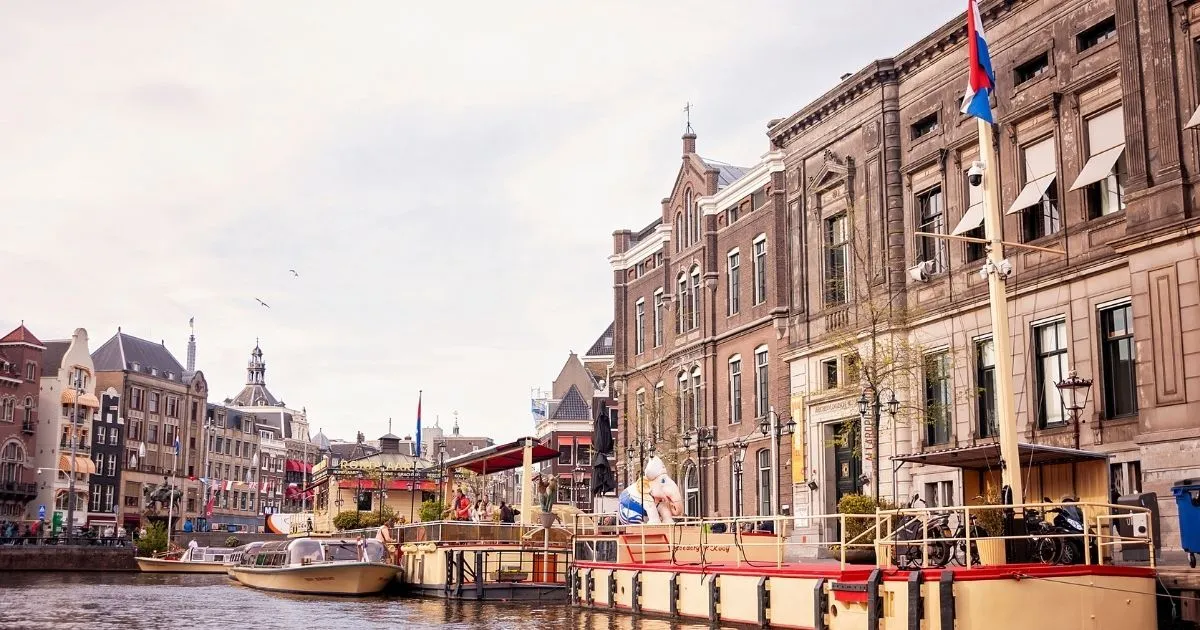
Seasonal work in the Netherlands has for years attracted people from Poland who want to earn more in a short space of time than they would at home, gain experience or find out whether working abroad is right for them. In 2026, it may still be worthwhile, but the details are becoming increasingly important: the sector, the number of hours, accommodation, travel costs and preparation for the job. The gross rate quoted in the advert alone does not tell you how much you will actually have left in your account.
For people from Poland, going to the Netherlands for seasonal work is simpler than it is for workers from outside the European Union. As a citizen of an EU country, you can work in the Netherlands without a work permit, and your employer does not need to apply for a TWV, which is the Dutch permit to employ a foreign national. However, you will need a valid identity card or passport and a valid contract. The Dutch IND confirms that citizens of the EU, the EEA and Switzerland may work in the Netherlands without a work permit.
This does not mean that every trip is automatically safe. Seasonal work is often arranged through employment agencies, in which case you must carefully check the terms and conditions: pay rate, number of hours, cost of accommodation, transport, health insurance and the rules governing termination of the contract. The Dutch Labour Inspectorate recommends checking whether the agency is listed in the SNA register, as certification includes, amongst other things, checks on compliance with the minimum wage, tax returns and identification requirements.
Seasonal work in the Netherlands can be a good choice if you go prepared. The biggest mistake is to base your earnings solely on the promises of an ‘attractive rate’ or ‘plenty of hours’. In practice, your pay depends on whether you have a stable rota, shift allowances, paid overtime, reasonable accommodation costs and work that matches your qualifications.
The most important benchmark is the statutory minimum wage. From 1 January 2026, the minimum gross hourly rate in the Netherlands for people aged 21 and over is €14.71. From 1 July 2026, this will rise to €14.99 gross per hour. Lower age-based rates apply to younger workers, which is why someone aged 18, 19 or 20 will not always earn the same as a worker aged 21 or over.
Working 40 hours a week, the minimum rate of €14.71 alone amounts to approximately €588 gross per week. On a monthly basis, based on an average of 4.33 weeks, this amounts to approximately €2,548 gross. This is still the amount before tax, social security contributions and other deductions, so it should not be treated as the ‘take-home’ pay.
In addition to the salary, there is also a holiday allowance, known as ‘vakantiegeld’. In the Netherlands, an employee is entitled to at least 8 per cent of their gross salary as a holiday allowance. This is usually paid once a year or settled on a pro rata basis upon termination of employment, depending on the contract and the pay system.
In practice, seasonal earnings may be higher than the minimum wage, but this is not the case in every sector or with every employer. You can earn more in sectors where the following apply:
That is why two people working in the Netherlands on a ‘seasonal’ basis may return with very different financial outcomes. One might end up in light work sorting goods with few hours, whilst the other might find a job in logistics or technical assembly with bonuses and a stable rota.
Seasonal work in horticulture and agriculture is the best known, but the Dutch job market is much broader. Seasonal work is also available in logistics, manufacturing, food processing, construction, the hospitality industry and event management. There are significant differences between these sectors, so it’s worth knowing what you can realistically expect before you set off.
This is a classic option for people looking for seasonal work in the Netherlands without much experience. The work may involve harvesting fruit and vegetables, tending to plants, sorting, packing, or working with flowers, seedlings or greenhouse crops. In the Netherlands, the horticultural sector operates for most of the year, but demand rises during specific harvest periods and periods of increased production.
One advantage of this sector is the relatively low entry barrier. Often, all that is required is a willingness to do physical work, attention to detail and punctuality. The downsides may include the repetitive nature of the work, working in damp conditions or high temperatures in greenhouses, a fast pace and dependence on the season. If the weather, orders or production levels change, the number of hours worked may differ from what is stated in the advert.
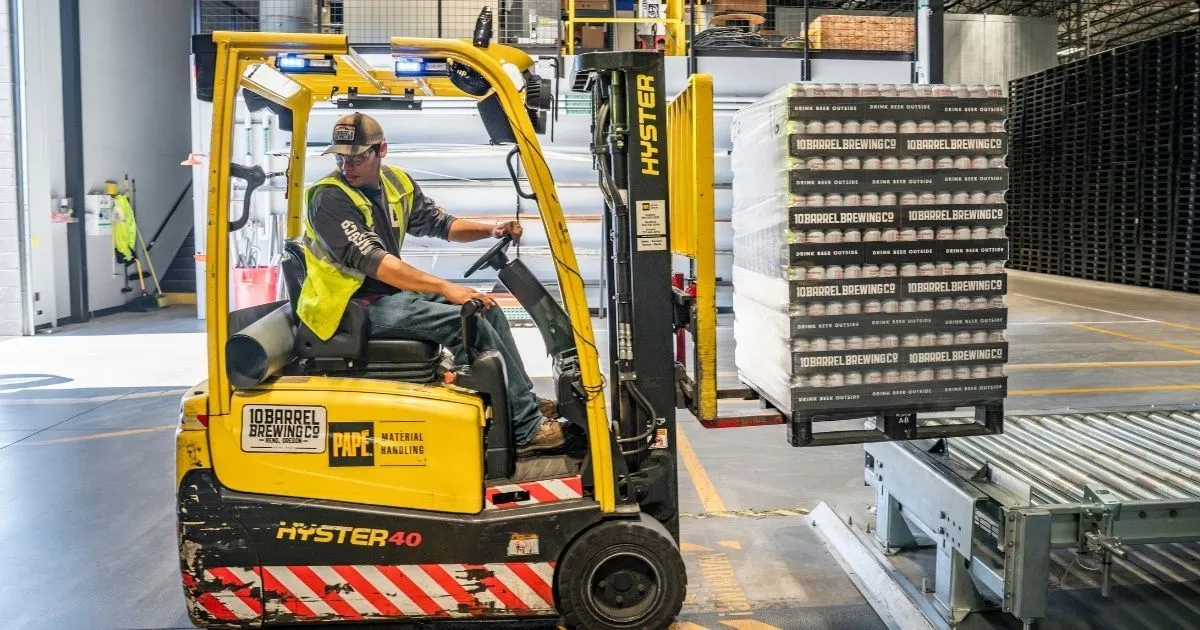
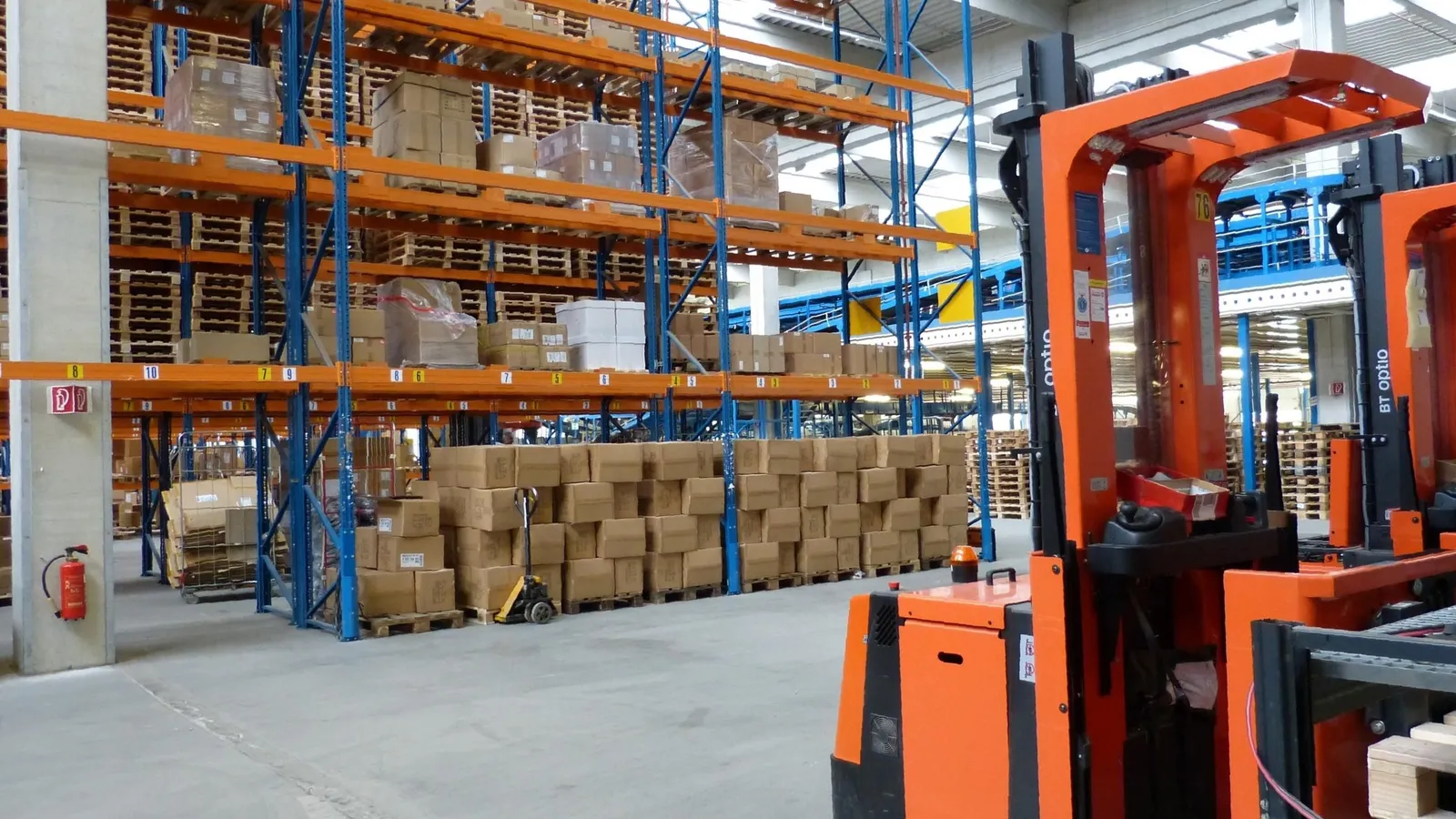
Logistics is an attractive sector for those seeking more predictable work and better prospects for long-term employment. Typical roles include order picker, order fulfilment assistant, packer, scanner operator, loading and unloading assistant, and, with the appropriate qualifications, forklift operator.
Warehouses often operate on a shift basis. This can be an advantage if allowances for evening, night or weekend hours are clearly set out in the contract. However, the work can be physically demanding: walking for many hours, moving goods, meeting production targets, and working in cold stores or freezer rooms within the food industry.
For those with forklift qualifications, logistics can be one of the best options. The employer gains an employee who does not need to be trained from scratch, whilst you can apply for roles with greater responsibility than standard packing work.
Seasonal work includes, amongst other things, food packaging, assembly line work, quality control, labelling, order preparation and simple technical tasks. In the food processing sector, hygiene, accuracy and the ability to work at a steady pace are essential.
This sector is well-suited to people who prefer repetitive tasks and clearly defined procedures. However, you must be prepared for working in cold conditions, wearing protective clothing, working shifts and meeting productivity targets. In many facilities, communication takes place in English, although in teams with a large number of Polish workers you will often find Polish coordinators.
Seasonal work in the construction industry does not always follow a typical ‘seasonal’ pattern, but demand does increase during the warmer months. This applies to renovations, outdoor work, façade work, structural assembly, support work, scaffolding, installations and work at height.
This is a sector where qualifications are particularly important. VCA certification, a course in working at height, scaffolding qualifications, tool handling skills, technical experience or a driving licence can significantly improve your chances. In the construction industry, there is little room for error and health and safety requirements are high. Those without the necessary training are more likely to be assigned the simplest, lowest-paid support roles.
During the holiday season, you can also find work in hotels, restaurants, holiday parks and in facility cleaning. Typical roles include kitchen assistant, room cleaner, back-of-house staff, restaurant staff, dishwasher or support staff.
Language skills are very important in this sector. Even a basic knowledge of English can make it easier to get started, and it is often essential when dealing with guests. The advantages include the opportunity to work in tourist destinations and a variety of duties. The disadvantages are weekend hours, irregular shifts and working under pressure during the peak season.
Whether seasonal work in the Netherlands is worthwhile depends not only on the pay rate. The biggest costs are accommodation, health insurance, transport, food and travel to the Netherlands. If you’re working through an agency, some of these costs may be deducted directly from your pay.
Accommodation is the most important factor. If your employer or agency provides accommodation, ask for the weekly cost in writing. Check how many people share the room, whether transport to work is charged, whether the deposit is refundable, and what happens to the accommodation once your contract ends.
The second cost is health insurance. In the Netherlands, workers must have basic health insurance. In 2026, the average monthly basic premium is around 159 euros, although the exact amount depends on the insurer and the package chosen. It is also worth bearing in mind the compulsory excess, which in 2026 amounts to 385 euros.
Then there’s food. If you cook for yourself and shop sensibly, the cost will be significantly lower than if you frequently eat out. Expenses rise if you live in an area without good restaurants, far from cheaper shops, or if you work shifts that make cooking difficult.
Before signing the contract, do a simple calculation:
If the offer does not specify the cost of accommodation, transport arrangements and the minimum number of hours, it is impossible to assess fairly whether the trip will be worthwhile.
There is no one-size-fits-all answer. The most lucrative sector will be the one in which your skills allow you to move beyond the most basic roles. For someone with no experience, gardening, packing or manufacturing can be a good starting point. For someone with qualifications, logistics, warehouse work, construction or technical roles may be a better option.
In simple seasonal jobs, earnings depend mainly on the number of hours worked and the cost of accommodation. In technical roles, qualifications are more important. A forklift licence, VCA certification, training in working at heights or scaffolding erection can increase the number of available vacancies and improve your standing during the recruitment process.
It’s also worth considering job stability. A job offering a slightly higher rate but with an uncertain timetable may be worse than one with a lower rate but fixed hours. For a seasonal worker, the most important factors are how many hours they actually work and what costs they’ll incur each week.
The safest way to look for a job is through reputable agencies, recommendations, companies’ official websites, or recruitment drives run by organisations that clearly set out the terms of employment. A good job offer doesn’t have to be long, but it should answer specific questions.
Before you set off, check:
Be wary of offers that promise very high earnings with no requirements, do not specify accommodation costs, or require suspicious advance payments. Legitimate seasonal work in the Netherlands should be based on a clear contract and transparent payment terms.
If this is your first time going, don’t just go for the ‘highest pay rate’. An offer with good accommodation, regular hours and a reputable employer might be a better choice. Comfort after work matters, especially when you’re doing physical labour for several or more than a dozen weeks.
Good preparation starts before you leave. Take your ID, your contract or confirmation of the terms and conditions, the coordinator’s contact number, your European Health Insurance Card (EHIC) as temporary cover, and enough money to last you the first few days. Don’t assume that your first pay cheque will arrive straight away.
Also, learn some basic vocabulary in English or Dutch: working hours, address, doctor, accident, break, pay, accommodation, transport, contract, protective clothing. You don’t need to speak perfectly, but you must be able to understand instructions and safety rules.
If you’re aiming for better job offers, think about gaining qualifications whilst still in Poland. Training in VCA, forklift operation, working at height or scaffolding can be useful in logistics, warehousing, construction and technical roles. For an employer, this signals that you’re a prepared individual, rather than a candidate who needs to be trained from scratch.
This is particularly important for group placements. If a company or team plans to go to the Netherlands to work, training a few people in Poland beforehand allows for better recruitment planning and helps avoid a situation where some employees do not meet the job requirements.
Yes, seasonal work in the Netherlands could be worthwhile in 2026, but only if you calculate the actual take-home pay rather than just the rate quoted in the advert. The minimum hourly wage is clearly set out in Dutch legislation, but the final figure depends on your hours, allowances, accommodation, transport, insurance and your qualifications.
The best results are achieved by those who go with a plan. They know which sector they want to work in, have the necessary documents, understand the basic principles of employment and aren’t afraid to ask for the terms and conditions in writing. If you also have additional qualifications, you can look for opportunities not only in the simplest seasonal jobs, but also in logistics, construction and technical support roles.
Seasonal work doesn’t have to be a random trip ‘for a few weeks’. It can be the first step towards a better-paid job in the Netherlands, permanent employment or career progression within a specific sector. The better you prepare before you leave, the greater the chance that you’ll return with a decent income, rather than just an experience you could have done without.
If you want to improve your chances of securing a good seasonal job in the Netherlands, or prepare a group of workers for their trip, start with the necessary qualifications. Bonapi runs training courses in Poland for people who are planning to work in the Netherlands or who want to meet employers’ requirements before they start work.
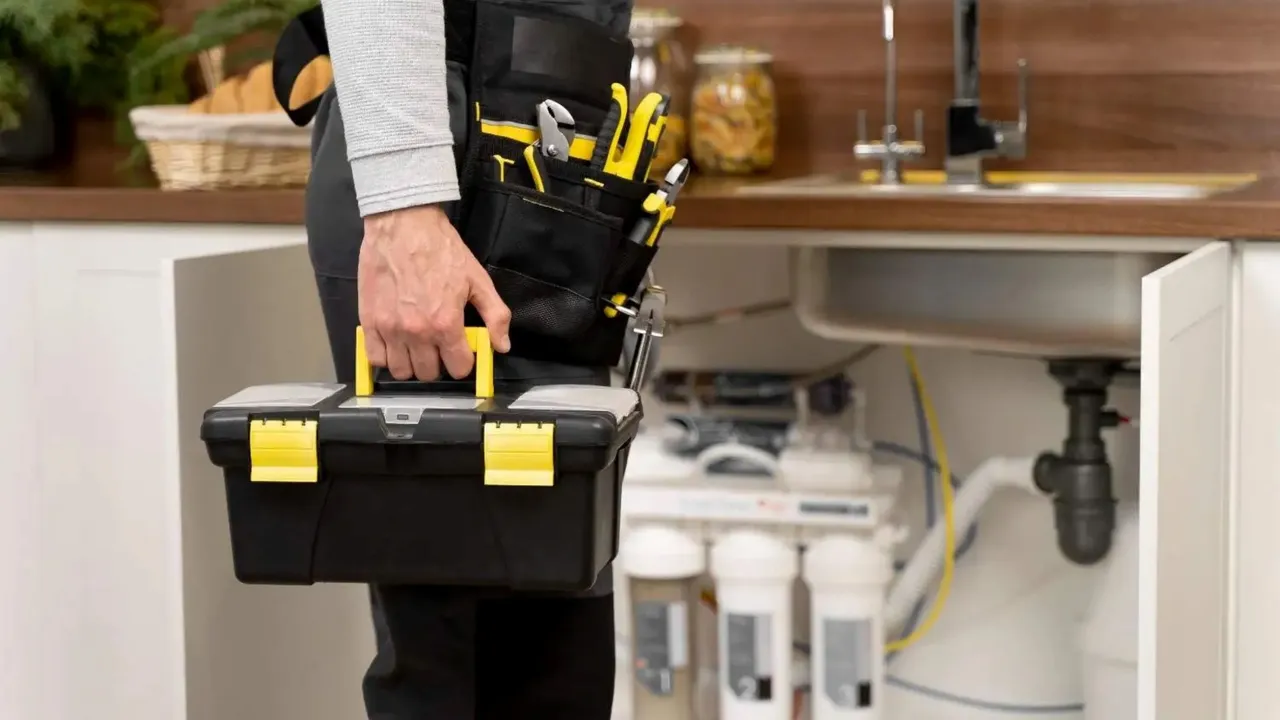
Depending on the role, we can help with training in VCA, forklift trucks, working at height, scaffolding and other employee training courses. We train both individuals and groups of workers heading abroad for work.

Author:

Piotr
Founder & Owner

Author:
Piotr
Founder & Owner
Author:
Piotr
Founder & Owner