User Panel

Advice
Search

Piotr
Founder & Owner

Finding a flat in the Netherlands can be one of the most difficult stages of moving there for work. The market is tight, prices can be surprisingly high, and listings disappear quickly. On top of that, there are the formalities to deal with: registering your address, a security deposit, the tenancy agreement, additional costs, and accommodation arranged through an employment agency. Whether you’re planning to move from Poland or are already working in the Netherlands, a well-prepared decision on accommodation can save you stress, money and problems with paperwork.
Many people start by finding a job and only look for accommodation afterwards. This is understandable, but it can be risky in the Netherlands. You need an address for day-to-day life: for correspondence, dealing with the authorities, contacting your bank, and often also to secure a stable job.
If you are coming to the Netherlands for longer than 4 months, you must register with your local council in the BRP register. Once registered, you’ll be given a BSN number, which you’ll need for work, tax purposes, health insurance and official matters, amongst other things. The IND states that the registration requirement applies to people coming to live in the Netherlands for a period of more than 4 months.
In practice, this means one thing: living somewhere without the option to register your address can make getting started more difficult. Not every room, staff accommodation or agency address offers the same possibilities. Before signing a contract, ask directly whether you can register your address at that location and under what conditions.
People going to work in the Netherlands usually choose one of three options: agency-arranged accommodation, renting a room or flat independently, or, in time, buying their own property. Each option involves different costs, risks and levels of independence.
The most common solutions are:
To begin with, many people opt for agency-arranged accommodation, as it means they don’t have to look for a place to live themselves whilst still in Poland. It’s a convenient solution, but not always the best in the long run. After a few months, some employees move into private rented accommodation to enjoy more peace and quiet, independence and control over their costs.
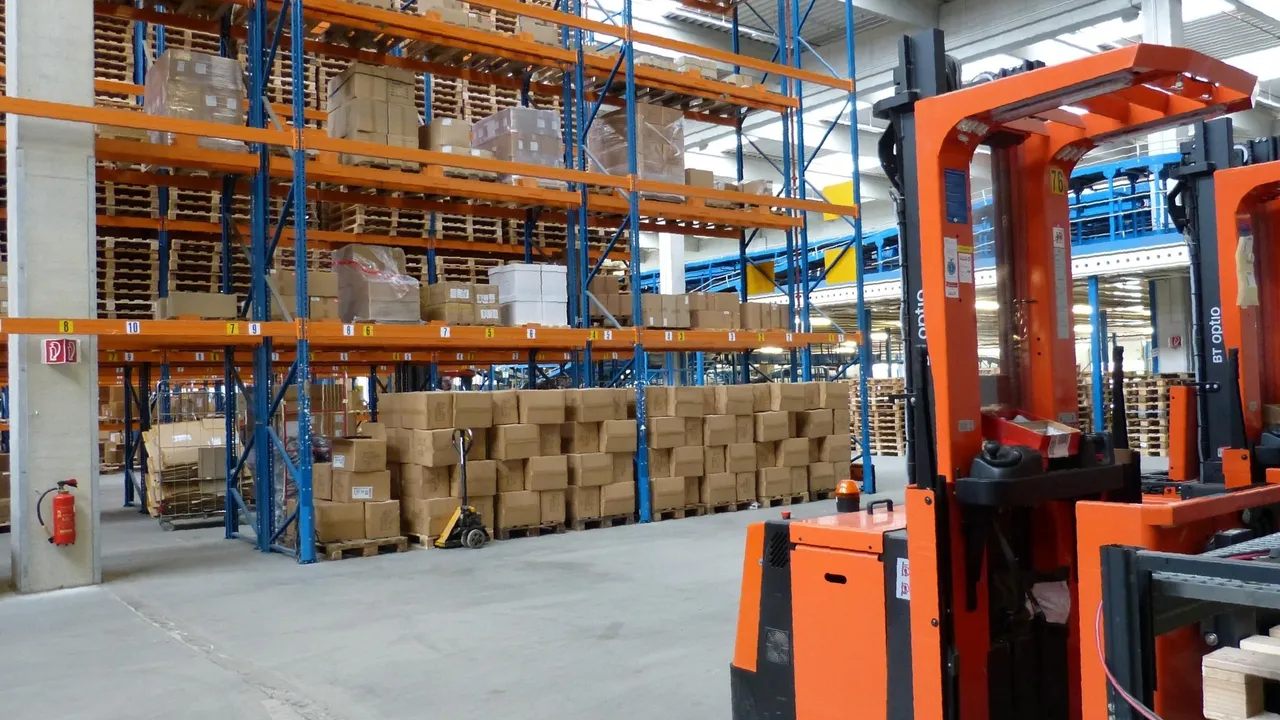
Agency accommodation is a common option for seasonal work, manufacturing, logistics, warehousing, agriculture, horticulture, food processing, construction and technical roles. The agency or employer arranges accommodation, often in a shared house, a staff hotel or a facility designed for temporary workers.
This arrangement has specific advantages. You don’t have to look for accommodation on your own, pay a large deposit or convince the landlord that you have a steady income. For those travelling for the first time, this can be a safe way to start work and get to grips with the realities of the job.
There are, however, limitations. Agency accommodation usually means sharing a kitchen, bathroom or room. Sometimes you’ll be living with people on different shifts, which makes it difficult to get some rest. It also happens that the location is far from the city centre, and getting to work depends on the company’s transport.
Before accepting an offer, ask:
This last question is very important. If your accommodation is linked to your job, losing your job could mean you have to move out at short notice. That is why it is best to view agency-managed accommodation as a temporary arrangement, rather than always as a long-term plan.
In the Netherlands, there is an organisation called Stichting Normering Flexwonen, or SNF. It is an organisation that sets standards and maintains a register of providers offering accommodation to migrant workers. SNF states that companies can obtain certification if they meet the accommodation standards, and the accommodation is inspected annually. If the quality of the accommodation is inadequate, the company must improve it.
SNF certification does not solve all problems, but it is an important indicator. It shows that the accommodation is subject to specific checks and standards. If an agency states that its accommodation is certified, you can ask for the name of the organisation and check whether it is listed in the register.
In practice, bear in mind the following basic conditions:
If conditions are poor, document the situation. Take photographs, keep a record of any messages and report the problem in writing. Verbal promises are difficult to prove, and in the event of a dispute, it is the facts that count.
Private rental offers greater independence. You can choose the location, your flatmates and the standard of accommodation. You also have more control over whether the flat is linked to your job. This is particularly important if you plan to stay in the Netherlands for longer or change employers.
You’ll most commonly come across three types of offers:
A shared flat is usually cheaper, but it means living with other people. A studio flat offers more privacy, but often costs more and is harder to find. Renting a flat on your own requires a stable income, supporting documents and a willingness to act quickly, as competition is fierce.
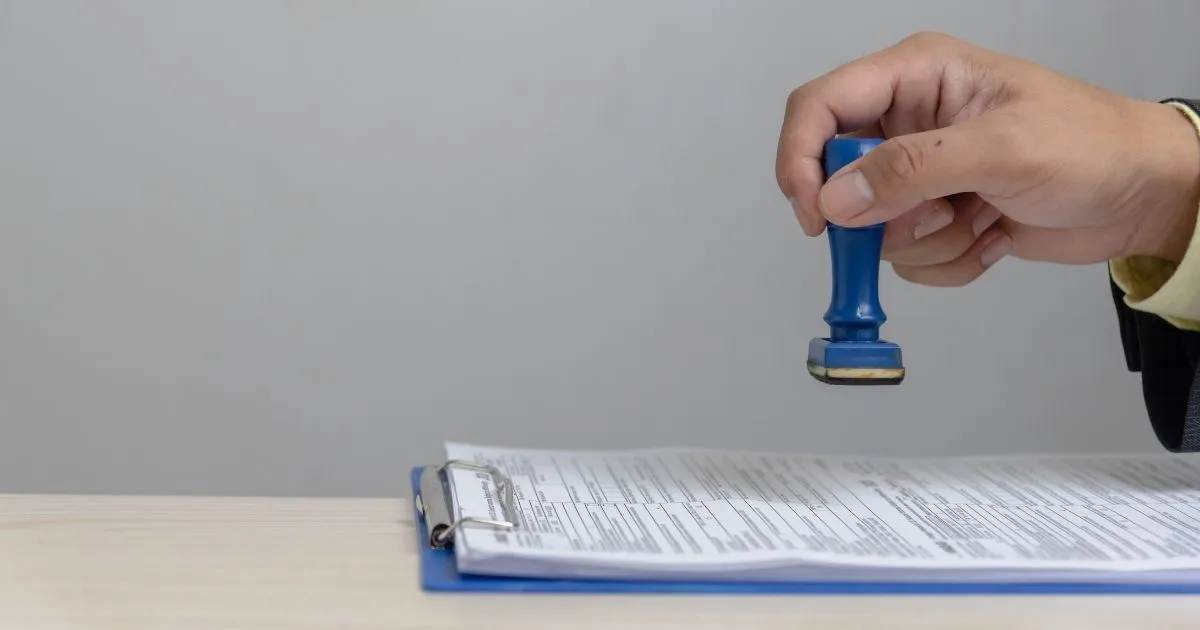
Landlords or estate agents often ask for documents proving your income. These might include an employment contract, recent payslips, a bank statement or a letter from your employer. However, do not hand over your details without thinking. Make sure the advert is genuine and that the person you are speaking to is authorised to let the property.
From 1 July 2023, for new tenancy agreements in the Netherlands, the security deposit may not exceed the equivalent of two months’ basic rent. At the end of the tenancy, the landlord should, in principle, return the security deposit within 14 days; if the landlord deducts any arrears or costs, they must settle the remaining balance within 30 days. The Dutch government also states that the security deposit may only be deducted for specific purposes, including rent arrears, maintenance costs, damage caused by the tenant or the EPV fee.
Before signing the contract, check the following:
Take photos of the flat on the day you move in. Document the walls, floors, windows, bathroom, kitchen, fittings and meters. It’s a simple step that can protect you when you move out.
Do not pay in cash without a receipt. The safest way to pay is by bank transfer to the account specified in the tenancy agreement. If you are paying a deposit, ask for written confirmation of who received it, what it is for and when it will be settled.
Registering in the Netherlands is not just a formality. If you are staying for longer than 4 months, you must register with the local authority and be entered into the BRP. Upon registration, you will be issued with a BSN, if you do not already have one.
In many local authorities, you must attend in person, and registration must be completed shortly after arrival. Netherlands Worldwide states that registration should take place within 5 days of arrival.
When renting, always ask whether registration is possible. If the landlord says ‘it’s not necessary’ or ‘it’s better not to register’, be cautious. Failure to register can complicate administrative, tax, insurance and banking matters.
The situation may be different for short stays. People arriving in the Netherlands for a short period may be able to use alternative procedures, such as registering as a non-resident. Always check the requirements in the municipality where you actually live or plan to live.
If you rent a self-contained flat and are on a low income, you can check whether you are eligible for huurtoeslag, or rent allowance. This is financial support from the Belastingdienst, but not everyone is entitled to it. Factors taken into account include your income, assets, household situation and the type of accommodation.
The rules have changed from 2026 onwards. The Belastingdienst states that there is no longer a maximum rent limit as a condition for eligibility for the allowance itself, but other requirements must still be met, including those relating to income, assets and living alone.
The Rijksoverheid explains that in 2026, people on low incomes may, in certain situations, apply for huurtoeslag even if their rent exceeds 932.93 euros, but the allowance is calculated only up to that amount. For those under 21, a separate limit of 498.20 euros applies.
Do not automatically assume that you are entitled to the allowance. The safest option is to carry out a trial calculation on the Belastingdienst website. Also bear in mind that if you declare an estimated income that is too low, you may later have to repay part of the money.
The housing market in the Netherlands is tough, so fraudsters exploit the time pressure. People from Poland looking for a flat who are unable to view the property in person are particularly at risk.
Be careful if:
Before you pay, check the address, the landlord’s name and the terms of the tenancy agreement. If you’re using an estate agent, check the company’s credentials. When looking for a room via social media groups, be even more cautious.
Buying a flat in the Netherlands can be a good move for people who have a stable job, plan to stay for the long term and want to build their independence. However, it is not a solution for the first month after arrival.
The bank will assess your income, the type of contract you have, your employment history, your financial commitments and your deposit. Self-employed people usually have to provide financial documents relating to their business. On top of this, there are costs for the notary, a mortgage adviser, transfer tax, valuation and insurance.
It is only worth considering a purchase once you are familiar with the region, have a predictable income and know that you want to stay in the Netherlands for the long term. For many employees, a sensible approach is to start with agency-managed accommodation, move on to private rental, and only decide on a mortgage once their situation has stabilised.
At first glance, housing and vocational training seem like two separate issues. In practice, however, they are closely linked. A qualified person has a better chance of securing a more stable job, better pay and longer contracts. This, in turn, makes it easier to rent privately, as landlords often ask about income and the nature of one’s employment.
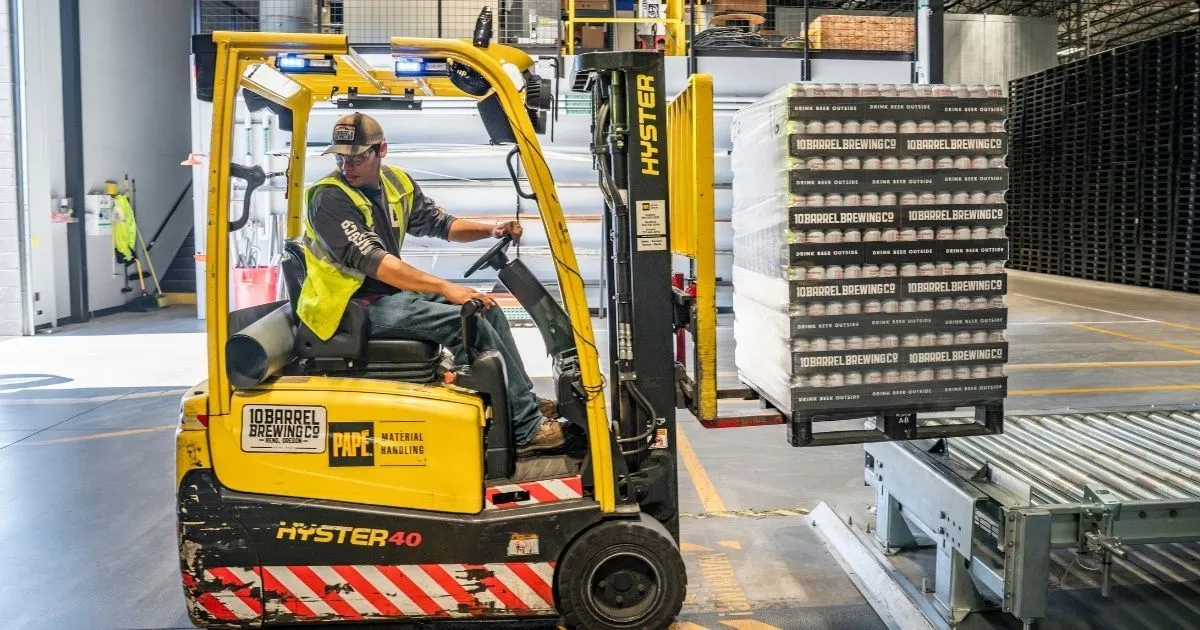
If you work in logistics, construction, industry or manufacturing, additional qualifications can increase your value in the job market. A VCA certificate, forklift licences, training in scaffolding work or other technical qualifications can help you move from casual jobs to a more stable career path.
This is an important tip for anyone planning to leave Poland. It’s better to prepare in advance than to discover only after arrival that good job offers require certificates. Bonapi’s branch in Poland helps with precisely this kind of preparation: before you leave, before changing jobs, or before being promoted to a more responsible role.
Before signing the contract, take a moment to check the key details. The time pressure is intense, but making a hasty decision without checking the documents could end up costing you more than a few days’ search.
Your checklist:
If the contract is in Dutch, ask for time to have it translated. You don’t need to be fluent in the language, but you do need to understand what you’re committing to.
There’s no one-size-fits-all solution. If you’re moving here for the first time, an agency-managed flat can get you off to a quick start. If you’re staying for longer, a private rental will give you more independence. If your situation is stable, buying a flat could be the next step.
The most important thing is not to focus solely on the price. Cheap accommodation without a registered address, in poor condition or entirely dependent on a single agency can quickly become a problem. A better decision is one that gives you a secure address, clear costs and space to relax properly after work.
A well-prepared move starts whilst you’re still in Poland. Check job vacancies, enquire about accommodation, work out a realistic budget and make sure you have the qualifications that will boost your chances of finding stable employment.
A stable job helps you find better accommodation, and qualifications help you secure a more stable job. If you’re planning to move to the Netherlands or want to prepare your staff for working abroad, take advantage of the training courses run by Bonapi’s Polish branch.
Check out our range of services: training for employees at Bonapi. We organise, amongst other things, VCA training, forklift truck courses, scaffolding training and other courses useful for working in the Netherlands. We can train both individual employees and entire groups before they leave or start a new contract.

Author:

Piotr
Founder & Owner
Author:
Piotr
Founder & Owner