User Panel
Advice
Search

Katarzyna
Dyrektor operacyjny
The Dutch labour market is open to workers from Poland, but a good job offer increasingly requires more than just a willingness to relocate. Employers and recruitment agencies look at your experience, availability, communication skills, and recognised qualifications. The right training can determine whether you are offered basic entry-level work or better-paid positions in logistics, construction, manufacturing, engineering, or technical services. If you are planning to work in the Netherlands, it is worth obtaining the right certificates before you leave Poland to demonstrate that you can work safely and independently.
Health and safety are taken very seriously in the Netherlands, particularly in industries involving machinery, vehicle traffic, working at height, hazardous substances, technical installations, or construction sites. Employers want to minimise the risk of accidents, costly downtime, and issues during inspections. For this reason, candidates who already hold valid certificates often have an advantage from the very beginning of the recruitment process.
Certifications also benefit you as an employee. They demonstrate that you understand safe working practices, recognise workplace hazards, and know how to operate equipment according to established procedures. This is especially important when you are starting work in a new country, joining a new team, and often working in an international environment.
Under Dutch occupational health and safety legislation, employers are required to provide a safe working environment, carry out risk assessments, and ensure employees receive appropriate instructions and protective equipment. In practice, this means employers must know that workers are competent to perform their duties without putting themselves or others at risk. This applies to work involving machinery, working at height, warehouses, construction sites, and industrial facilities.
One of the most commonly requested qualifications is the VCA certificate. It confirms that the holder has a basic understanding of occupational health, safety, and environmental protection. It is particularly valuable if you want to work in construction, manufacturing, petrochemical plants, technical logistics, installation, maintenance, or industrial services.
VCA is not a single qualification for everyone. In practice, you will most often encounter three levels:
According to SSVV, the organisation responsible for the VCA system, B-VCA confirms basic knowledge of health, safety, and environmental protection. VOL-VCA is intended for operational supervisors and self-employed subcontractors, while VIL-VCU is designed for personnel working in temporary employment agencies supplying workers to VCA-certified organisations.
A VCA certificate is particularly important if you are employed by a subcontractor working for a larger client. In many cases, it is a mandatory requirement before you are allowed to enter a construction site or industrial facility. The official Dutch business portal also states that clients may require VCA certification for high-risk activities, such as work on construction sites, in factories, or at installations where there is a risk of explosion, fire, or serious injury.
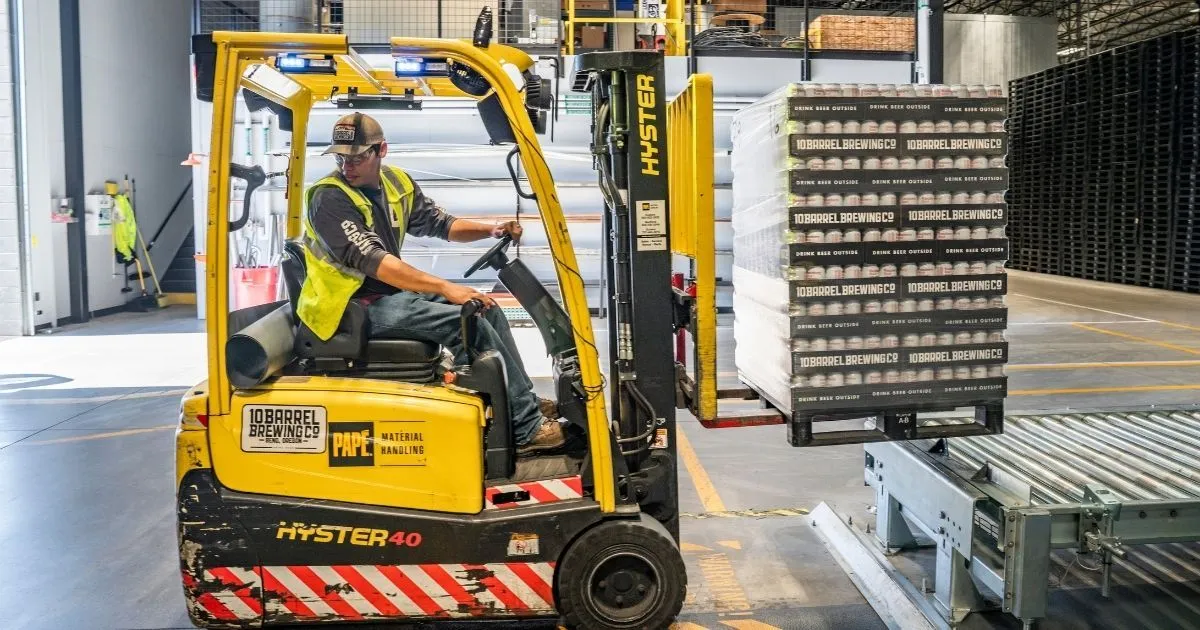
Logistics is one of the sectors where Polish workers frequently find employment in the Netherlands. Warehouses, distribution centres, cold storage facilities, sorting centres, manufacturing plants, and freight terminals all require employees who can safely operate material handling equipment. While previous experience is valuable, recognised certification significantly strengthens your position.
The most useful qualifications include:
Warehouse work requires much more than simply operating a vehicle. Employers expect operators to understand safe load handling, storage procedures, traffic management, pedestrian awareness, and working safely in areas with limited visibility. A good forklift operator is not someone who drives quickly, but someone who works efficiently, predictably, and safely.
For candidates moving from Poland, warehouse certifications offer another important advantage. They often lead to more stable, year-round employment. Workers without qualifications frequently begin with basic order picking, while certified operators are more likely to be assigned to inbound logistics, high-bay storage, loading and unloading operations, or production support roles.
Construction, industrial maintenance, installation work, roofing, steel structures, and technical services often involve working at height. In the Netherlands, this type of work is subject to strict safety requirements because falls from height remain one of the leading causes of serious workplace accidents.
According to the official Dutch business portal, fall protection is generally required when working at heights of 2.5 metres or more. However, protection may also be required below this height whenever there is a risk of falling or when employees work on unstable or moving surfaces.
In practice, two types of training are particularly valuable. The first is a Working at Height course covering the use of safety harnesses, lanyards, anchor points, safe movement techniques, and equipment inspections. The second is Scaffolder training, which prepares workers to assemble, dismantle, and inspect scaffolding structures safely.
If you plan to work as an installer, construction worker, scaffolder, roofer, industrial electrician, fitter, maintenance technician, or steel erector, Working at Height training can significantly improve your employment prospects. For many employers, simply being willing to work at height is not enough. They want proof that you understand safe working procedures and can follow them correctly.
The Dutch labour market continues to have strong demand for skilled technical workers. This includes major construction projects, refurbishment, prefabrication, steel erection, industrial installations, and maintenance operations. In many cases, holding the correct certificates determines whether you are even allowed to enter a worksite.
The most valuable qualifications include:
Communication is equally important. Workers with a basic knowledge of English or Dutch are generally more likely to secure safe and long-term employment. While certificates help you enter the industry, daily work requires understanding instructions, safety signs, procedures, and workplace hazards.
Not everyone travels to the Netherlands as an entry-level employee. Many workers progress to become foremen, coordinators, team leaders, or self-employed subcontractors. In these roles, basic certifications alone may no longer be sufficient.
If you are responsible for supervising others, planning work, or communicating directly with clients, VOL-VCA is well worth considering. This qualification is specifically intended for operational supervisors and self-employed subcontractors working with companies operating under the VCA system.
The difference between an employee and a supervisor lies in responsibility. Employees are expected to follow safety procedures themselves. Supervisors must also identify hazards within their teams, intervene when unsafe behaviour occurs, organise work safely, and ensure tasks are completed according to client requirements.
For self-employed professionals, qualifications are even more important. Clients expect subcontractors to work independently, provide the necessary documentation, and demonstrate an understanding of workplace risks. Recognised certificates often help contractors pass initial screening and gain access to projects that are not available to unqualified applicants.
Many employers also value training related to emergency response. In the Netherlands, this is known as BHV (Bedrijfshulpverlening), which refers to workplace emergency response. BHV covers fire response, evacuation procedures, accident management, and providing first aid until emergency services arrive.
Not every employee is required to hold a BHV certificate, but Dutch employers must appoint and train sufficient emergency response officers based on the risks present in their organisation.
For employees, BHV certification is an additional advantage. It demonstrates that you are capable of responding appropriately during emergencies, rather than simply performing your daily duties. This is particularly valuable in warehouses, manufacturing facilities, workshops, construction sites, and other workplaces where large numbers of people work together.
You do not need to complete every course at once. The best approach is to choose training that matches the industry where you intend to work. A forklift operator requires different qualifications than a scaffolder, while supervisors and self-employed contractors often need more advanced certifications.
If you are planning your move to the Netherlands and are unsure where to begin, consider the following:
The right choice depends on your background. If you already have warehouse experience, forklift certification can quickly improve your job prospects. If you have worked in construction, VCA and Working at Height training are often the logical next steps. If you already supervise teams, VOL-VCA may provide greater value than another entry-level qualification.
Completing training in Poland allows you to prepare at your own pace, study in your native language, and enter the Dutch labour market with recognised qualifications that increase your credibility. This is particularly valuable if you are relocating through a recruitment agency or want to begin work immediately after arriving.
For companies sending employees to the Netherlands, training in Poland also offers practical advantages. Entire teams can be trained before a project begins, ensuring a consistent level of knowledge and reducing the risk of workers being refused access to a worksite. This is especially important for construction crews, scaffolders, warehouse operators, technicians, and industrial workers.
Bonapi Poland supports both individual employees and organised groups. It is an effective solution for candidates looking to improve their career opportunities, as well as companies preparing teams for projects in the Netherlands.
A certificate does not replace practical experience, but it often opens the door to jobs where you can gain that experience. Employers see that you understand the fundamentals, recognise workplace risks, and are prepared to work safely and professionally. This significantly lowers the barrier to entry, particularly when competing against candidates without recognised qualifications.
The strongest combination is practical experience, recognised certifications, and a willingness to continue learning. If you already have experience, certification validates your skills. If you are just starting your career, training provides a safe and professional foundation. If your goal is career progression, advanced qualifications demonstrate commitment and professionalism.
In the Netherlands, good jobs are rarely secured by chance. Employers typically choose candidates who can demonstrate their competence, work safely, and are properly prepared for the tasks they will perform. While certifications do not automatically guarantee the highest salary, they significantly improve your chances of accessing better opportunities, more stable employment, and long-term career development.
If you are planning to work in the Netherlands or want to improve the qualifications of your team, start with training that reflects the real expectations of Dutch employers. VCA, forklift operation, Working at Height, scaffolding, and workplace safety courses can help you reach a higher professional level before you even begin working abroad.
Explore the training programmes available through Bonapi Poland and contact the Polish branch for more information. We provide training for individual employees, candidates preparing to work in the Netherlands, and entire teams getting ready for international projects.