User Panel
Search

Szymon
IT Specialist / Process Automation Specialist
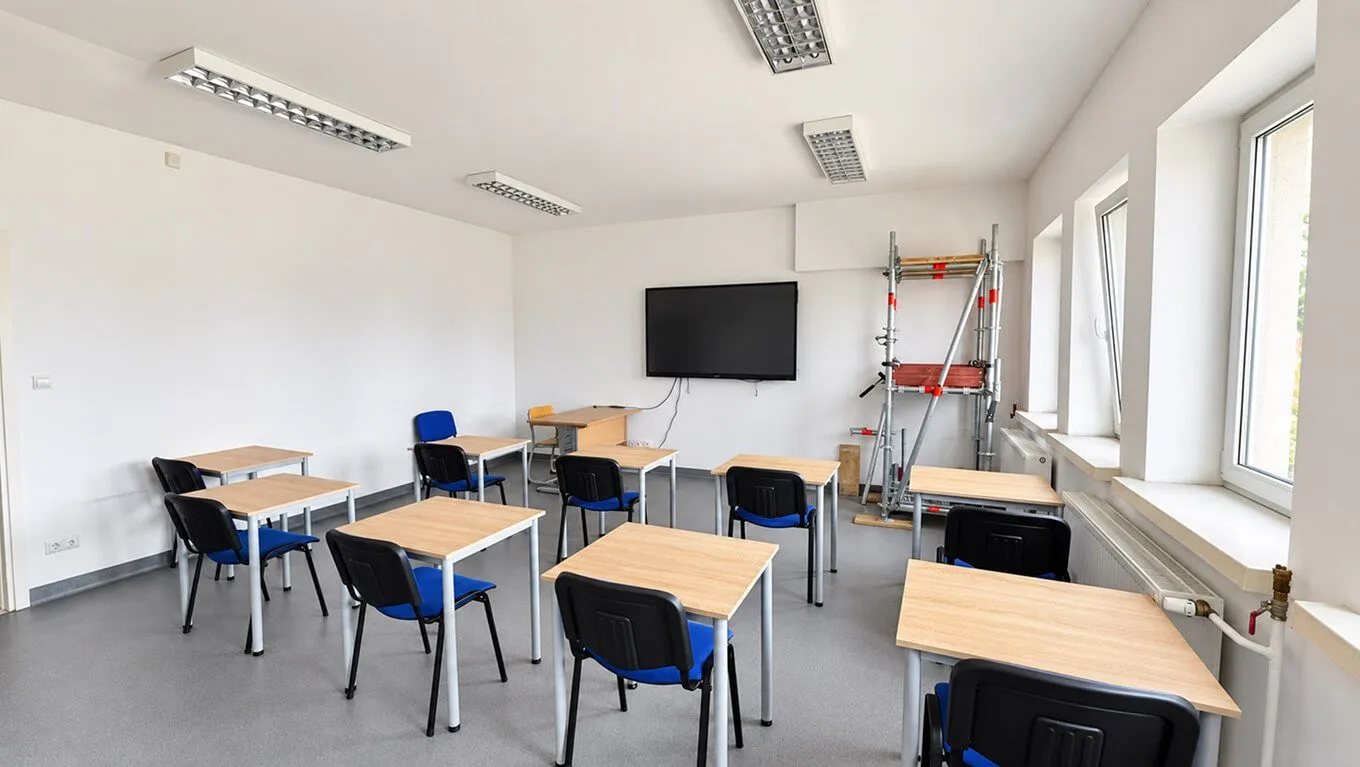
If you’re planning to work in the Netherlands or for an employer who requires VCA certification, you don’t need to travel abroad to sit the exam. Bonapi Training Centre runs VCA courses and official VCA exams in Gliwice at 16 św. Urbana Street. For many people from southern Poland, this means simpler logistics: training, the exam and any overnight accommodation can be organised in one place.
The most commonly chosen qualification is B-VCA, or Basic VCA. It is primarily intended for operational staff working in an environment where the VCA standard is required. For foremen, managers and supervisors, VOL-VCA may be the appropriate level.

Before purchasing a course, check what the employer or project requires. B-VCA is usually chosen by operational staff. VOL-VCA is intended for those in roles involving operational supervision and management.
It is not worth choosing a level based solely on price or name. If a role requires VOL, B-VCA alone may not be sufficient. On the other hand, a manual worker does not always need VOL.
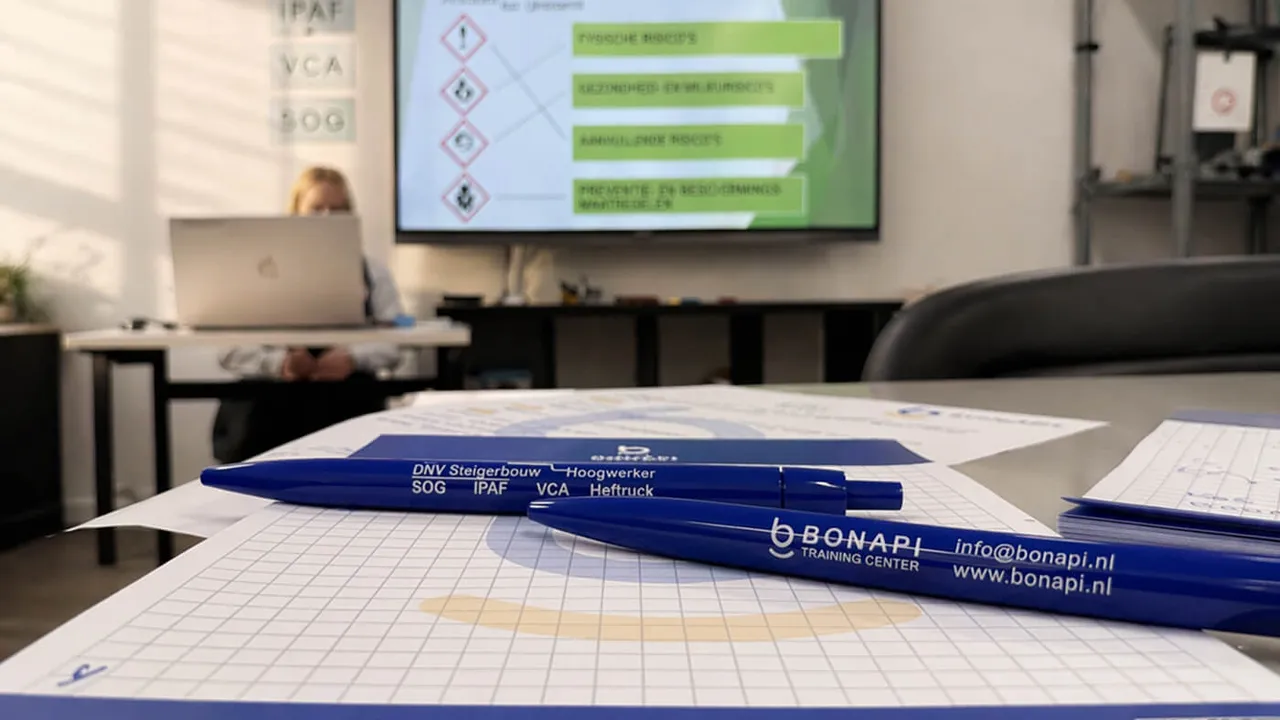
Bonapi offers both a classroom-based course and an online option culminating in an exam in Gliwice. The classroom-based B-VCA course is completed in a single day; the current programme includes approximately 6 hours of training and an exam on the same day.
In the online version, the theory is covered on an e-learning platform at the participant’s own pace. Bonapi provides approximately 6 hours’ worth of material. Once the course is complete, the participant travels to Gliwice to sit the official exam.
For those who learn well independently and wish to minimise time spent away from work, the online option is convenient. For beginners, those less familiar with industry terminology, or those who need to ask the instructor questions, the classroom-based training is often the better choice.
You must bring a valid identity card or passport to the exam. Bonapi clearly states that a driving licence is not accepted as proof of identity for the VCA exam.
It’s a small thing that can ruin your whole day. Before you set off, check the expiry date of your document and ensure the details match those on your registration.
The current page for the Basic VCA Bonapi exam lists 40 questions, a pass mark of 65 per cent and the location in Gliwice. The Polish version of the offer specifies a 60-minute exam; some sub-pages may show different durations for other language versions, so it is advisable to confirm the duration assigned to your chosen language before a specific exam date.
The questions cover, amongst other things, hazard identification, safe behaviour, protective measures, working with machinery, working at height, fires, hazardous substances and the principles of organising safe work.
Once you have passed the exam, your VCA certificate is registered in the SSVV Central Register of Certificates. It is this register that enables an employer or client to check whether the qualification is genuine and up to date.
The B-VCA and VOL-VCA are valid for 10 years from the date of passing the exam. It is advisable to keep your certificate number and check your entry in the CDR before travelling.

You do not need any specialist equipment for the theory training. The most important things are your ID, punctuality and preparation. If you are taking an online course, make sure in advance that you have completed the required material before the exam.
At the Bonapi centre in Gliwice, accommodation is also available as an option for selected training courses. This is a practical solution for those travelling from further afield in Poland or for corporate groups.
Yes. Bonapi offers only the official B-VCA exam for those who already have the necessary knowledge and do not require preparatory training. However, you need to assess your level of preparation honestly, particularly following the changes to the ETT in 2026.
The Basic VCA programme covers much more than health and safety regulations in the narrow sense. Candidates study topics relating to hazard identification, risk assessment, personal protective equipment, machinery and tools, electricity, hazardous substances, fire, evacuation and workplace organisation. Linking these topics to everyday work situations is particularly valuable. After completing the course, anyone travelling to the Netherlands should understand not only ‘what is prohibited’, but above all why a particular activity is risky and how to carry it out more safely.

The classroom-based option at Bonapi is structured as a one-day course culminating in an exam. It begins with a theoretical session, during which the instructor goes through the material and explains typical exam scenarios. The candidate then sits the official computer-based exam. This option is convenient for those who prefer to complete the entire process in a single visit to Gliwice and do not wish to organise their own study schedule.
The online option is better for those who need more flexibility. The material can be studied in advance at one’s own pace, and candidates can then travel to Gliwice for the official exam. This is also a good solution for companies that wish to spread their staff’s training over several days without taking the whole group off work at the same time.
The most important thing is to check the time, location and the required form of identification. Your identity card or passport must be valid and the details must match those on your registration. It is also a good idea to finish your intensive revision early, rather than sitting late into the night doing more practice tests. Fatigue increases the number of simple mistakes when reading the questions.
During the exam, read the whole question and all the answer options. If two options seem correct, consider which one better minimises risk and is in line with the principle of safe work organisation. Do not rush just because other candidates are finishing sooner.

Once the exam is over, the candidate is informed of the result. Bonapi states that the digital certificate is sent on the first working day following the exam, and following a pass, the details appear in the CDR SSVV register. For the employer, an entry in the official register is the most reliable way of verifying the certificate before admitting an employee to a project.
If a company is sending a larger group, it is worth noting down the expiry dates of the certificates straight away. The B-VCA is valid for 10 years, but with several dozen people, the expiry dates can quickly become scattered. A simple table or a reminder system reduces the risk of the certificate expiring just before the next trip.
If there are a few or a dozen or so employees, it is worth gathering the correct personal details in advance, selecting the exam languages and checking who needs the B-VCA and who needs the VOL-VCA. Participants do not have to study in the same language simply because they work for the same company. If some people understand Polish better, whilst others understand Ukrainian or English, different language versions can improve their actual understanding of the material.
Before the exam date, the company should also clearly inform employees that the exam is taken individually and requires a valid identity document. Failure to produce a document or discrepancies in the details may prevent them from sitting the exam, regardless of their level of preparation.